There is a moment, somewhere between watching a glassblower coax a molten orb into a delicate vase and realizing you could try it yourself, when Baltimore stops feeling like a city you are passing through and starts feeling like a place you genuinely belong. That moment, for me, happened at Baltimore Clayworks in the leafy Mount Washington neighborhood, and I have been recommending it to anyone who will listen ever since.
Baltimore Clayworks has been a cornerstone of the city’s visual arts community since 1980, tucked into a handsome stone building on Smith Avenue that looks more like a country estate than a working studio. The surrounding neighborhood is quiet and residential, a pleasant contrast to the waterfront bustle most visitors associate with Baltimore. Getting here takes about fifteen minutes from the Inner Harbor, and the drive through the Jones Falls valley is genuinely pretty, especially in autumn when the tree canopy turns amber and gold.
What makes Clayworks remarkable is that it operates simultaneously as a working studio, a teaching center, a gallery, and a community gathering place. Walk through the front door and you might find a resident artist in the middle of hand-building a large-scale ceramic sculpture, or a class of enthusiastic beginners hunched happily over their first pinch pots, or a polished exhibition of ceramics and mixed-media work filling the airy gallery spaces. It never feels static. Every visit has a different texture to it.
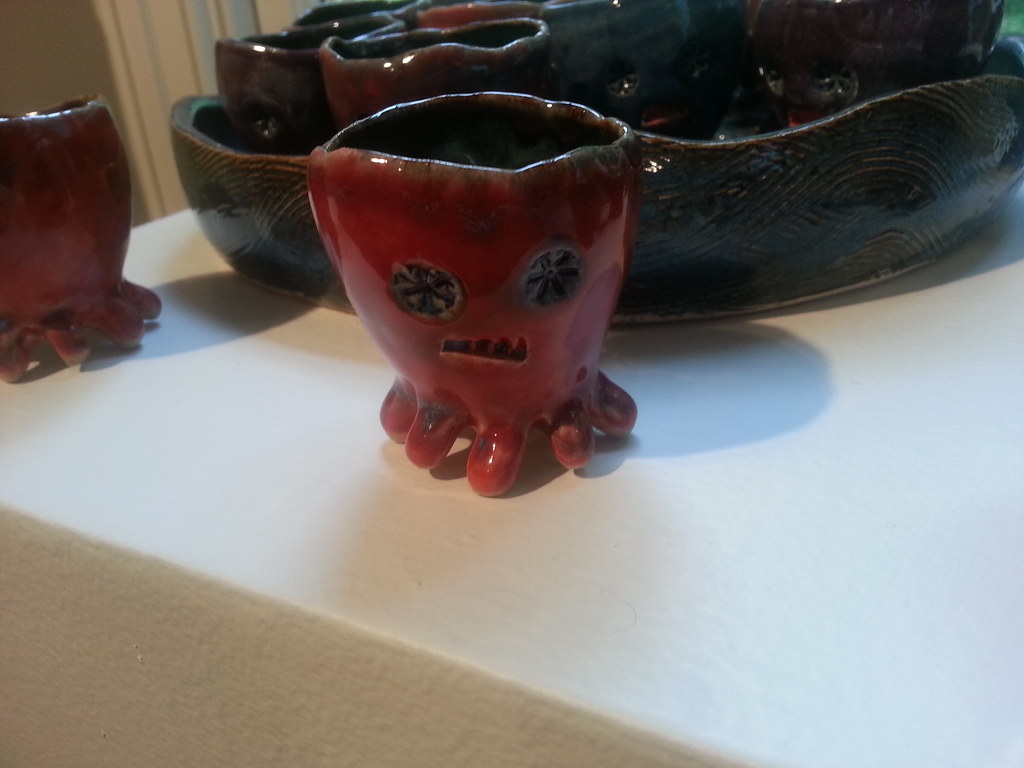
The gallery alone is worth the trip. Baltimore Clayworks rotates its shows regularly, spotlighting both nationally recognized ceramic artists and emerging local talent. The work on display consistently pushes against the idea that ceramics is a minor or merely decorative art form. You will find pieces here that are conceptually ambitious, technically stunning, and surprisingly affordable if you happen to fall in love with something — which is a real risk you should prepare for.
If you want to go deeper, sign up for one of their workshops or open-studio sessions. They offer single-day introductory classes in wheel throwing and hand-building that require absolutely no prior experience. The instructors are patient, knowledgeable, and clearly delighted by the whole enterprise. Walking away with a lopsided but earnest little bowl you made yourself is a far more satisfying souvenir than anything sold in a harbor gift shop.
Clayworks also hosts the annual Holiday Sale, typically held in late November and early December, when dozens of artists sell functional and sculptural work at accessible prices. It draws a devoted crowd of collectors, gift shoppers, and curious first-timers, and the atmosphere is warm and festive in the best possible way.
Baltimore has no shortage of world-class institutions, but Baltimore Clayworks offers something rarer: a place where art is alive, approachable, and genuinely participatory. Mount Washington is a neighborhood worth exploring on its own, with good coffee and restaurants within easy walking distance, so plan to linger. Come for the gallery, stay for a wheel-throwing class, and leave with clay under your fingernails and a very good story to tell.