There is a spot on the north bank of the Broward River, tucked quietly into a residential neighborhood near the community of Baldwin in far-north Jacksonville, where the past does not feel distant at all. Yellow Bluff Fort Historic State Park is one of those places that surprises you precisely because it does not announce itself with fanfare. No gift shop, no admission booth, no queue of tour buses. Just a short gravel lot, a weathered interpretive sign, and then — earth. Actual earthworks, raised by Confederate soldiers in 1862 to defend the St. Johns River from Union gunboats, still standing more than 160 years later.
I drove out on a bright Saturday morning, cutting through the sprawling suburban edge of North Jacksonville before the landscape opened into something older and quieter. The park sits off Heckscher Drive near the New Berlin neighborhood, and the transition is remarkable: strip malls give way to river oaks, and the air takes on that particular coastal Georgia quality — heavy with salt and pine and something you can only call history.
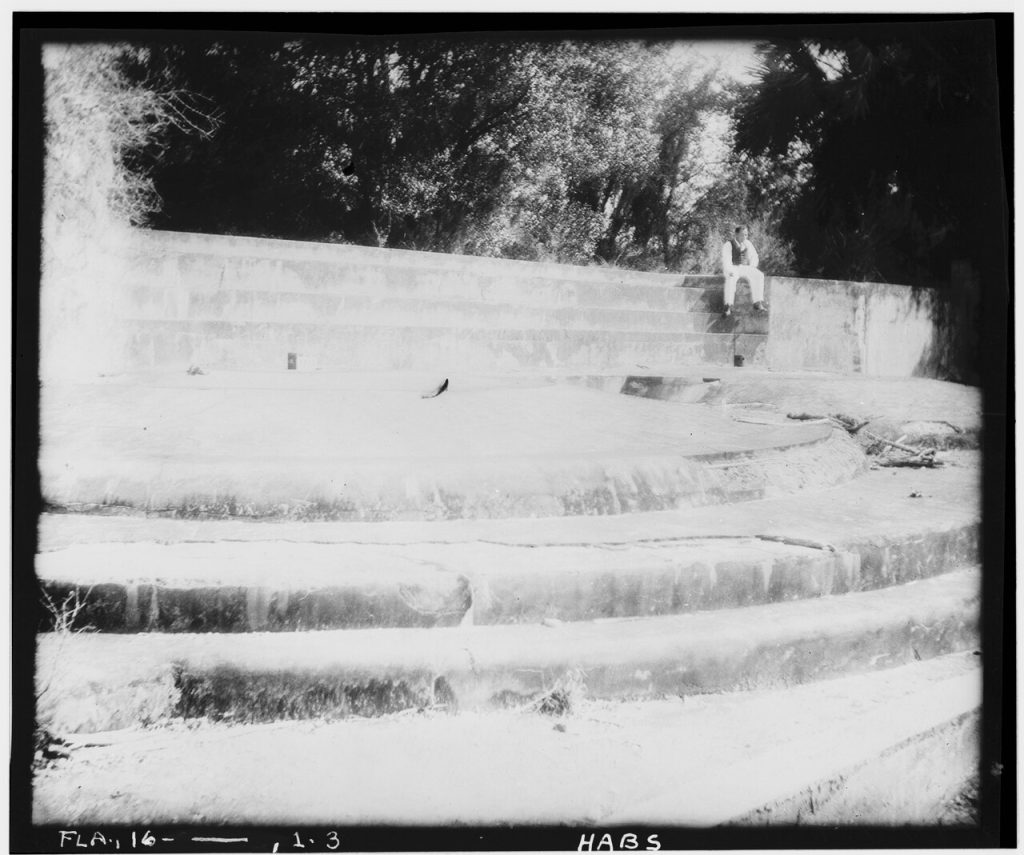
The earthen fort itself is modest in scale but genuinely affecting. You can walk the perimeter of the raised embankments in about fifteen minutes, but most visitors — myself included — end up lingering far longer. Interpretive panels explain how Confederate forces built the fortification as part of a defensive line meant to protect Jacksonville, then a key Southern port town. Union forces eventually took control of the area, and the fort changed hands multiple times throughout the war. Standing on the bluff and looking down at the Broward River below, you get an immediate, visceral sense of why this particular bend of land mattered so much to military commanders on both sides.
What makes Yellow Bluff special is not just the history. It is the way the natural setting amplifies it. Massive live oaks, draped in Spanish moss, shade the earthworks and line the footpaths. Osprey circle overhead. The river glints through the tree line. Bring a pair of binoculars, because shorebirds congregate along the water in impressive numbers, especially during the cooler months. This is the kind of park where a birder and a Civil War history buff can both spend two hours and feel equally satisfied.
The park is free to visit and open daily during daylight hours, which means it is the kind of spontaneous detour that costs you nothing but an hour and rewards you with something genuinely rare: a quiet, uncrowded, undeveloped piece of Jacksonville’s layered past. There are no crowds, no food trucks, no Instagram backdrops staged for the algorithm. Just the fort, the river, the trees, and the slow, pleasant work of imagining what it looked like here when this bluff was a military position rather than a peaceful afternoon walk.
If you are visiting Jacksonville and you have already hit the beaches, the Riverwalk, and the obvious highlights, Yellow Bluff Fort is the kind of find that makes a trip feel complete. It rewards the curious and the unhurried. Pack a water bottle, wear comfortable shoes, and give yourself permission to simply wander. The past will meet you there, and it will be quieter and more moving than you expect.