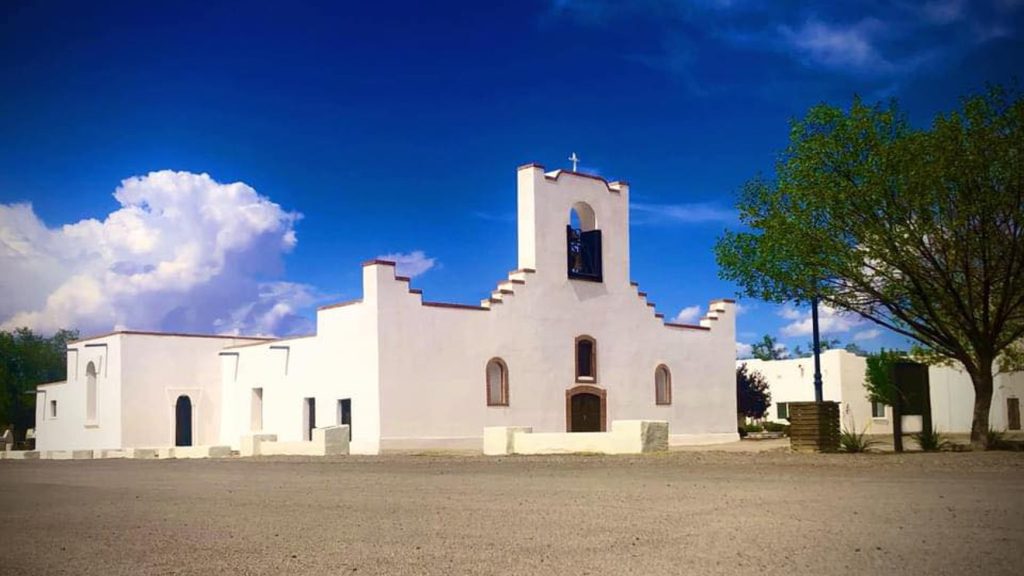
The Mission Trail Tour in El Paso County invites residents and visitors to explore a living patchwork of history and faith across sites like Socorro Mission and La Purisima Catholic Church, bringing local stories, architecture, and music into a single weekend of guided experiences; the event connects El Paso neighborhoods to decades, even centuries, of shared traditions while spotlighting preservation work and community involvement.
The tour moves beyond postcard imagery to offer close-up views of mission-era architecture, masonry details, and devotional art that survived floods, frontier conflicts, and changing borders. You’ll hear the creak of wooden pews, trace the layers of paint and plaster, and learn how these buildings served as meeting places for families, ranchers, and parishioners. Organizers frame the walking routes so attendees can connect physical space with the people who shaped it.
Origins matter here: Spanish colonial efforts, indigenous communities and later Mexican and American influences all left marks on churches and community centers found along the trail. Those overlapping histories show up in murals, altar designs, and oral histories shared by local elders and parish historians. Listening to those voices gives context to the stones and stained glass, making the past feel immediate rather than distant.
Several well-known stops often featured on the route include the Socorro Mission and neighborhood chapels like La Purisima Catholic Church, each with its own timeline and character that reflects the neighborhoods around them. Local volunteers and parish staff usually open doors that are normally closed to the public, letting visitors see sacristies, bell towers, and small private shrines. That access highlights everyday religious life as much as grand architectural gestures.
Expect a mix of guided walks, short talks from historians or longtime parishioners, and pockets of live cultural performance such as traditional music or prayer services. Local artisans and food vendors sometimes set up near gathering points, so participants can sample regional snacks and crafts between stops. Those small interactions often end up being the most memorable parts of the day, connecting food, music, and conversation with spiritual place.
The event is as much about preservation as it is about visitation; churches and mission buildings need ongoing maintenance, and the tour often raises awareness and funds for restoration projects. You’ll hear about conservation efforts dealing with adobe, tile, wooden beams and historic murals, and why expert care matters to keep those elements intact for future generations. Local preservationists use the tour to explain how modest donations or volunteer time can make a big difference.
Practical matters are straightforward: wear comfortable shoes for uneven ground, bring water for warm days, and be prepared for brief walks between sites in residential neighborhoods. Many locations are accessible but some historic structures retain narrow entrances, steps, or low ceilings, so organizers usually note mobility considerations up front. Photo etiquette and respect for active religious spaces is emphasized; visitors are asked to be mindful during services or devotional moments.
The Mission Trail Tour is also a chance for younger residents to meet elders who remember when these places were community hubs for school, social events, and civic life, creating a cross-generational conversation that strengthens neighborhood ties. Schools, cultural groups, and parish organizations often participate, bringing student research projects, exhibits, and guided youth-led segments that give fresh perspectives on local heritage. Those elements help make the tour both educational and deeply rooted in community pride.
If you go, treat it like a day of discovery rather than a checklist to finish, give yourself time to sit in a cool chapel, chat with a docent, and notice small details like tile patterns or hand-carved pew ends; those quiet moments are where history feels most present. Whether you’re a longtime resident or stopping through El Paso County, the trail offers textured stories that connect place, faith and neighborhood life in ways a guidebook rarely captures. Attend with curiosity, and you’ll likely leave with a few unexpected stories to share.