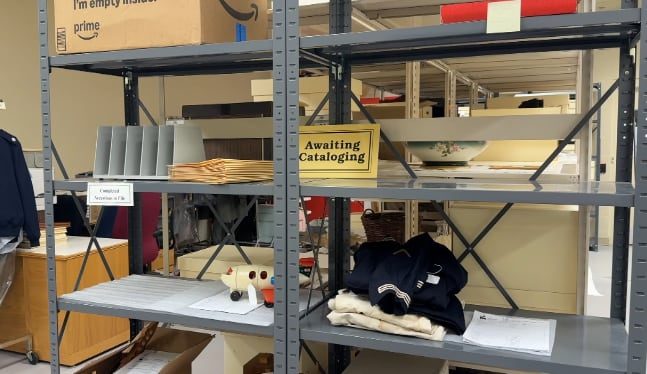
In Bismarck, the North Dakota State Historical Society continues to grow its collection of artifacts that tell the story of the state’s past and present. From treasured family heirlooms to everyday objects, the Society welcomes donations that help illustrate the lived experience of North Dakotans.
How donors get started
Anyone interested in contributing an item begins by completing a short questionnaire. The form asks for basic information about the object’s origin, who used it, and any personal memories attached to it. Donors also submit photographs so staff can assess the piece before it arrives.
Committee review determines fit
After the questionnaire is received, a collections committee meets to evaluate each offer. Committee members consider three main factors:
- Condition: Items must be in a state that allows for preservation and display.
- North Dakota connection: The object should have a clear link to the state’s history, culture, or daily life.
- Redundancy: If a similar artifact already exists in the collection, the committee looks for a unique angle or decides whether the new piece might serve an educational purpose elsewhere.
“Sometimes, if we have an object already represented in the collection, then maybe our instructional collection will pick that up, or it’ll go to a historic site for like a prop,” explained Katie Holt, the Society’s assistant registrar.
Newer items also have a place
While the Society preserves historic artifacts, it does not limit itself to older objects. Holt noted that newer items are welcomed as long as they help tell North Dakota’s evolving story. Contemporary memorabilia, technology, or everyday tools can provide valuable context for future researchers and visitors.
What happens after acceptance
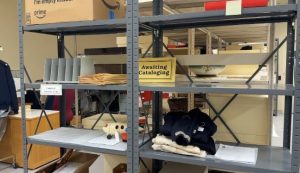
Accepted items are cataloged, conserved, and stored in climate‑controlled facilities. Many become part of rotating exhibitions that travel to schools, historic sites, and community events, allowing North Dakota residents to see their own histories reflected in public displays.
The donation process underscores the Society’s mission to safeguard the state’s heritage while engaging the public. By inviting community members to share their personal artifacts, the Society not only expands its archives but also strengthens the bond between North Dakota’s past and its present families.
Original reporting: KFYR-TV Bismarck (news) — read the source article.