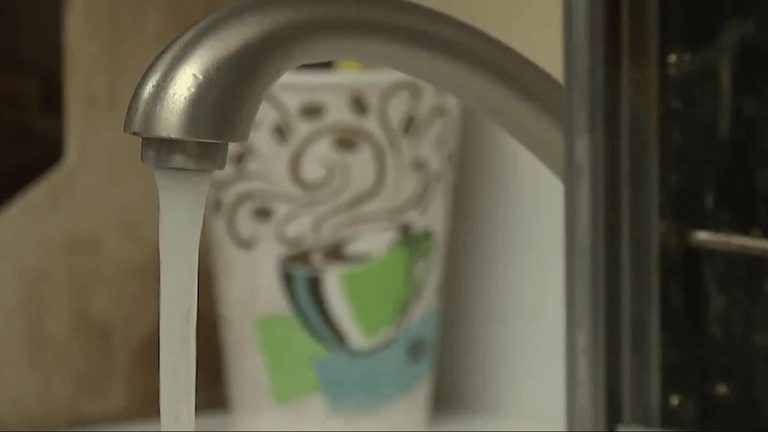
Welch, W.Va. – The Morrisey administration unveiled a new water‑filtration effort that will bring clean‑water solutions to more than 5,000 homes in Mingo and McDowell counties. The program merges $2 million in state appropriations with $1.2 million in federal assistance, targeting households that depend on private wells, cisterns and natural springs for their drinking water.
How the program will work
According to a press release from the governor’s office, the combined funding will be used to purchase and distribute filtration kits capable of removing contaminants commonly found in groundwater across the region. Officials are currently vetting nonprofit and private‑sector partners to manage the logistics of kit distribution, testing, and ongoing maintenance.
Timeline and next steps
The first wave of filtration kits is expected to reach residents in February of next year. State officials say the rollout will be coordinated with local health departments and community leaders to ensure that the most vulnerable households receive priority treatment.
Why the initiative matters
Southern West Virginia has long struggled with water‑quality issues stemming from aging infrastructure and the legacy of mining activities. Residents in the targeted counties have reported concerns about elevated levels of iron, manganese and other minerals that can affect taste, odor and, in some cases, health. By providing certified filtration equipment, the state hopes to reduce reliance on costly bottled‑water purchases and improve overall public‑health outcomes.
Community response
Local leaders have welcomed the funding, noting that the initiative aligns with broader efforts to revitalize the region’s economy and quality of life. “Access to clean water is a basic right for every family,” said a McDowell County commissioner during a recent town‑hall meeting. “This program demonstrates that our state government is listening and taking concrete steps to protect our children and seniors.”
Funding sources
The $2 million state contribution was approved in the latest budget amendment passed by the West Virginia Legislature, reflecting bipartisan support for rural infrastructure projects. The federal portion comes from a grant administered by the U.S. Environmental Protection Agency, earmarked for rural water‑safety initiatives.
Looking ahead
Officials plan to evaluate the program’s impact after the first year, using water‑quality testing data and resident feedback to determine whether additional funding or expanded coverage is warranted. If successful, the model could be replicated in other underserved areas of the state.
For more information on eligibility and distribution schedules, residents are encouraged to contact their county health department or visit the governor’s official website.
Original reporting: WCHS Eyewitness News Charleston (local) — read the source article.