Charleston, W.Va. – State Auditor Mark Hunt is under intense scrutiny after a West Virginia Watch investigation revealed that he signed nine tax deeds for property owned by his used‑car dealership landlord, Charleston attorney Robert L. Johns. The deeds, which state law assigns to the deputy land commissioner, raise questions about potential cronyism and conflict of interest.
Business relationship and alleged improprieties
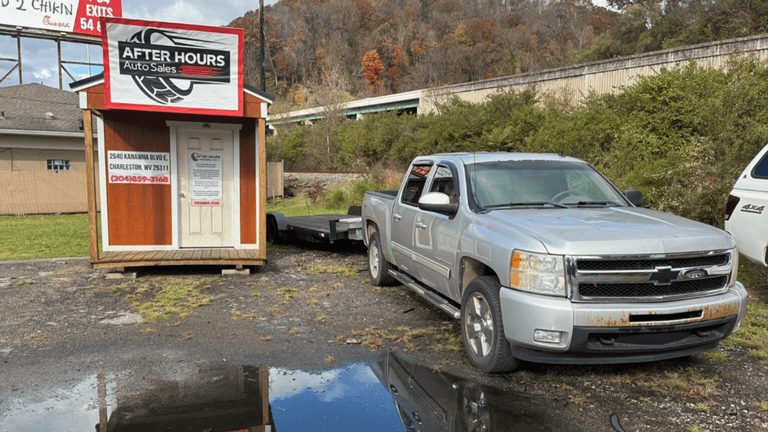
Hunt founded After Hours Used Auto in July 2024, less than four months before his election as auditor. The lot, located less than a mile from the state Capitol, sits on land owned by NAJ, a limited‑liability company controlled by Johns, who also runs a $38 million portfolio of tax‑delinquent land across West Virginia.
The investigation found that while serving as auditor, Hunt signed nine tax deeds transferring ownership of vacant parcels to Johns. State law designates that duty to the deputy land commissioner, not the auditor’s office.
Official responses
When contacted, Hunt emphasized that the dealership operates only “after hours” and that no cars are sold during state‑government working hours. He described the arrangement as a hobby and called the overlap “coincidental.” Hunt also asserted that the lot pays “fair market rent,” though he admitted he does not know the exact amount.
Johns, a bankruptcy attorney, was hired by the Auditor’s Office in 2025 to act as a receiver should McDowell County declare insolvency, for which he was paid $14,000, according to the State Checkbook.
Political reaction
The revelations sparked bipartisan outcry. Both Democratic and Republican leaders in the House of Delegates and the Senate have written to Senate President Bill Cole and House Speaker Roger Hanshaw, requesting an opinion from Attorney General JB McCuskey on the legality of Hunt’s actions.
Republican Delegate Tristan Leavitt (R‑Kanawha) led the GOP response, posting on social media that the new information “raises significant additional questions about Hunt’s relationship with Johns.” Leavitt asked whether Hunt’s dealership is paying market rent or receiving a sweetheart lease in exchange for the signed deeds, and called for Hunt’s immediate resignation.
Additional controversies
Further complications emerged from a separate car‑sale dispute. In October 2025, former state delegate Caleb Hanna sold a 2012 Lincoln MKZ Hybrid from the lot to Amy Blankenship of Huntington, claiming it was for her 19‑year‑old son. Blankenship later sued Hanna and After Hours Used Auto, alleging the vehicle was a lemon. A Kanawha County magistrate dismissed the case, finding the buyer had accepted the car “as is.” Blankenship subsequently sold the vehicle for scrap.
Hunt acknowledged the sale, stating he “sold my car like anybody else does” and that the transaction was a straightforward private deal.
Financial impact and future plans
Hunt told reporters the dealership has been a money‑losing venture, losing about $40,000 before he and his associates decided to cease operations. He said the lot remains filled with unsold vehicles and that he, along with deputy chiefs of staff Caleb Hanna and operations manager David Cole, have not yet cleared the inventory.
“After we lost about $40,000, I convinced the boys that we need to quit doing this,” Hunt said.
What’s next?
The auditor’s office has not announced any formal investigation, but the bipartisan pressure suggests a formal review may be forthcoming. Critics argue that the combination of deed signings, a landlord‑tenant relationship, and the use of state resources for a private hobby undermines public trust in the auditor’s office.
State officials and watchdog groups are expected to monitor the situation closely, and the Attorney General’s opinion could determine whether any legal or ethical violations occurred.
Original reporting: WCHS Eyewitness News Charleston (local) — read the source article.