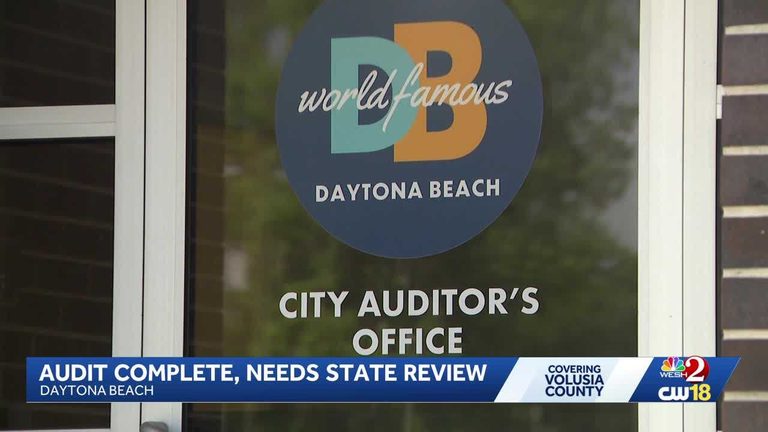
The Florida Auditor General has delivered a preliminary report to Daytona Beach identifying eight areas of concern in the city’s handling of building‑permit fees and other municipal spending. The findings, released after Tallahassee lawmakers approved a targeted audit in December, suggest that some permit revenue was applied to expenses unrelated to code enforcement and that the city retained more fees than state law permits.
Key findings from the audit
According to the auditor’s list, the city’s finance office used a portion of permit collections for general operating costs that are not directly tied to building‑code enforcement. State law caps the amount a municipality may retain from these fees, and the report indicates Daytona Beach exceeded that limit.
Additional issues highlighted include weak controls over purchasing cards, insufficient documentation for certain transactions, and travel expenses that auditors described as either unsupported or not properly reimbursed. The audit team noted that these weaknesses could expose the city to unnecessary financial risk and reduce transparency for taxpayers.
City’s response timeline
Daytona Beach officials have been given a 30‑day window to respond to the preliminary findings. In their response, the city is expected to provide explanations for the flagged expenditures and outline any corrective actions it plans to implement. The auditor’s office emphasized that these findings are preliminary and do not constitute a final audit report.
Why the audit matters to residents
For families and business owners in Daytona Beach, responsible stewardship of public funds is a cornerstone of community trust. Ensuring that permit fees are used strictly for code‑enforcement purposes helps keep construction standards high while preventing the diversion of resources that could be better spent on essential services such as public safety, road maintenance, and parks.
Strong internal controls over purchasing cards and travel reimbursements also protect taxpayers by reducing the chance of wasteful spending. When city officials address these concerns promptly, they reinforce the principle of accountability that underpins good local governance.
State oversight and local accountability
The audit reflects the Florida Legislature’s commitment to fiscal oversight of municipal operations. By reviewing how cities allocate revenue, state officials aim to safeguard taxpayer dollars and promote consistent application of financial statutes across Florida’s many jurisdictions.
Daytona Beach’s upcoming response will be closely watched by both local leaders and state watchdogs. A transparent and timely reply can demonstrate the city’s dedication to correcting any missteps and upholding the fiscal integrity that residents expect from their government.
Next steps
Once the city submits its response, the Auditor General’s office will evaluate the explanations and determine whether further action, such as a full audit or additional recommendations, is warranted. Residents are encouraged to stay informed about the process, as the outcome may influence future budgeting and fee‑collection practices in Daytona Beach.
Original reporting: WESH Orlando — read the source article.