St. Petersburg officials warned residents that the city will lose roughly $33 million in property‑tax revenue in fiscal year 2028, with the shortfall expected to nearly double in 2029, as a result of the recently passed Amendment 3. The loss matters because property taxes fund essential services, and the city’s general‑fund revenue is projected to rise from about $178 million in FY 2023 to $243 million in 2027 despite a modest millage‑rate cut from 6.5250 to 6.4525.
According to St. Pete Catalyst, the city’s ability to replace the lost revenue will depend on how quickly new developments move from approval to construction. Downtown, which comprises only about 3 % of the city’s land area, currently generates nearly 20 % of its property‑tax revenue. Six recently completed projects—Saltair, Ascent, Art House, 400 Central, Vantage Lofts and 1701 Central—already contribute close to $30 million in annual taxes across multiple taxing authorities.
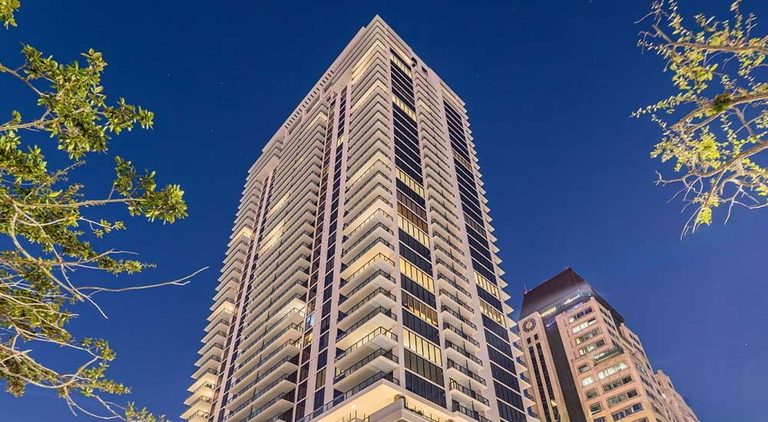
Downtown Partnership CEO Jason Mathis explained that a typical market‑rate apartment building, such as the 3rd and 3rd project, could produce roughly $3 million a year in city property taxes. Using that figure, the city would need the equivalent of 11 similar apartment developments to offset the projected $33 million loss in 2028, and about 18 developments to cover the anticipated shortfall in 2029.
One of the most discussed projects is the Historic Gas Plant site. The Burg Bid, selected to develop the roughly 58‑acre parcel, includes a proposed $275 million cash payment for the land, which is currently publicly owned and not generating tax revenue. While the payment would be a one‑time infusion rather than recurring tax income, the eventual private development could add to the tax base once construction is complete.
Other major downtown projects already under construction include a $170 million development at 275 Fifth Street, a $225 million project at 800 Second Avenue South, a $500 million Waldorf Astoria hotel, and a $325 million mixed‑use tower at 333 First Street South. These projects are expected to boost the tax base over the coming years, though full tax contributions will not be realized until the buildings are finished and assessed at their completed values.
The Pelican development, a $134 million, 21‑story, 370‑unit apartment tower at Fourth Street and Fifth Avenue North, illustrates the uncertainty that can accompany even approved projects. The city’s Development Review Commission approved the project in January, but Preserve the ‘Burg, a nonprofit historic‑preservation group, appealed. In March, City Council voted 4‑3 to let the project proceed, falling one vote short of the five needed to overturn the approval.
Mathis emphasized that the city has “100 % control over how much certainty they give developers.” Faster permitting and market readiness could encourage developers to pay higher impact fees, helping to offset the Amendment 3 revenue gap.
Sources: stpetecatalyst.com