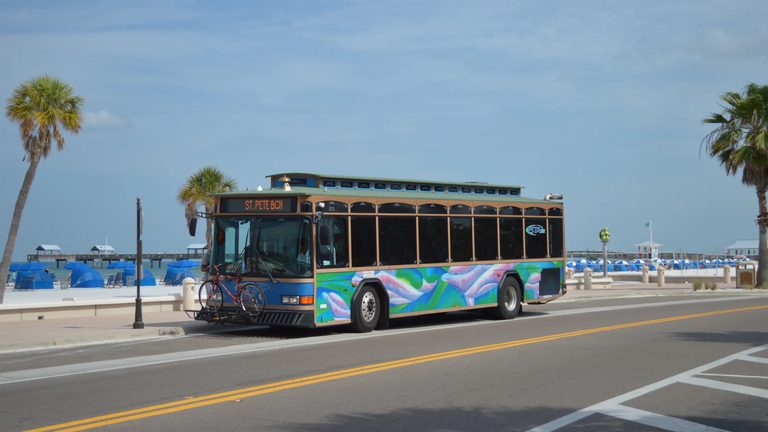
On Tuesday night, St. Pete Beach commissioners voted unanimously to let the city’s contract with Pinellas Suncoast Transit Authority (PSTA) expire on Dec. 31, ending the city’s $242,000 annual contribution for the Suncoast Beach Trolley. The decision comes as the city anticipates a multimillion‑dollar shortfall in property‑tax revenue following the passage of Amendment 3.
Local businesses step in to fill the gap
In response to the impending service loss, a coalition of local retailers, marketing firms and TradeWinds Island Resorts organized a complimentary shuttle for the Saturday after Thanksgiving. The Corey Avenue Business Association and Pass‑a‑Grille Business Alliance will run the free trolley from Nov. 28, 9 a.m. to 5 p.m., shuttling shoppers between Corey Avenue and Pass‑a‑Grille.
Impact on tourism workers
Commissioner Karen Marriott, whose business sits across from a trolley stop on Blind Pass Road, warned that the trolley primarily serves tourists and tourism‑industry employees. “There is probably an argument to be made that the bulk of the riders of the trolley are often tourists or people working in the tourism industry,” Marriott said. “And if they don’t have a bus to get on, they’re still going to have to get somewhere, which could lead to more cars on the road.”
Resident Services Director Mandy Edmunds reported 138,322 trolley passenger trips that began or ended within city limits, though staff could not determine how many were taken by residents versus visitors.
Financial pressures on PSTA and the city
The current agreement costs $242,000 annually, covering roughly $190,000 for the trolley and $52,000 for paratransit services for people with disabilities. City Manager Frances Robustelli said the city projects a loss of about $1 million in property‑tax revenue for fiscal year 2028 and more than $2.4 million the following year, with the potential for higher losses as the county makes its own cuts.
PSTA faces similar financial strain. In August, agency officials warned that the property‑tax reform could force the elimination of about 25 of the county’s 40 bus routes.
Previous service cuts and future options
This is the second transportation service the city has cut this year. In August, commissioners ended the Freebee service, which provided door‑to‑door rides and logged roughly 4,000 trips per month. That same month, PSTA temporarily reprieved Route 90 after passenger pushback, but ultimately eliminated the route on Oct. 4, directing riders to transfer from the SunRunner to the beach trolley for trips to Treasure Island and beyond.
Vice Mayor Lisa Robinson raised concerns about workers who rely on the SunRunner‑trolley connection to reach jobs in Treasure Island. Commissioners discussed potential funding sources, including lobbying the county Tourist Development Council to allocate bed‑tax revenue for beach transportation, and approaching larger resorts directly for contributions.
TradeWinds already provides PSTA passes to its employees and guests, and redevelopment plans for TradeWinds and Sirata could generate combined annual transportation contributions of $225,000 for five years if the projects move forward. However, commissioners took no action on these suggestions at the meeting.
What’s next for the trolley?
With the city’s contract ending, it is now up to PSTA to decide whether the trolley will continue serving St. Pete Beach. Commissioners, including Jon Maldonado, encouraged PSTA to seek support from the larger resorts, but no definitive plan was adopted.
Commissioner Marriott, who also serves on PSTA’s board representing barrier‑island communities, expressed mixed feelings. “As a representative of all of the barrier island communities, it’s probably much better for everybody as a whole if the trolley connects to the SunRunner,” she said. “But in my position as representing my district in St. Pete Beach, I don’t know that it’s the way any of our residents want their taxpayer dollars spent.”
The city will retain citywide paratransit service under a new usage‑based agreement, ensuring continued support for residents with disabilities.
Original reporting: St. Pete Catalyst — read the source article.