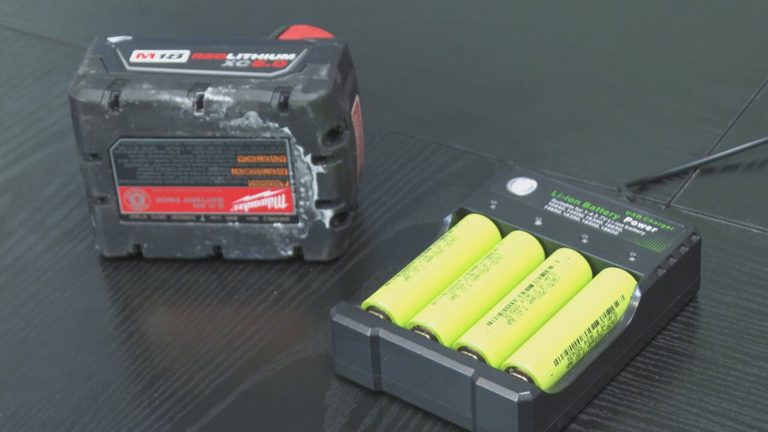
Springfield, Mo. – Lithium‑ion batteries power many everyday devices, but damaged or improperly charged units can become fire hazards, local experts warned.
Understanding the risk
Battalion Chief John Brossman of the Logan‑Rogersville Fire Protection District described a recent incident in which a lithium‑ion battery ignited and spread quickly. He explained that each battery contains multiple cells, and when one cell overheats, it can cause a chain reaction that leads to an explosion and a fire that is difficult to extinguish.
Safe storage and charging practices
Brossman recommends keeping larger lithium‑ion batteries, such as those used for e‑bikes, in a garage or workshop rather than inside the home. He also urges residents to verify a battery’s charging specifications and ensure the outlet can handle the load before plugging it in.
Ethan Cox, owner of Smart Phone Repair Doctor, adds that charging devices when no one is home reduces the chance of an unnoticed fire. He cautions against placing chargers on fabric surfaces like beds or couches, which can provide additional fuel for a fire.
Choosing reliable power banks
Cox notes that inexpensive power banks often lack protective circuitry. He advises shoppers to select reputable brands that include built‑in temperature and over‑charge protection.
When a battery shows signs of trouble
Swelling, excessive heat, or a battery that is too hot to hold for more than a few seconds are clear warning signs. “Now you don’t want to throw it in the trash,” Cox said. “Take it to a recycling center, a repair shop like ours, or a retailer such as Lowe’s or Home Depot. They can all recycle lithium‑ion batteries safely.”
Before dropping off a battery, check with the recycling location or retailer, especially if the battery is swollen or damaged.
Additional resources
Online shoppers can also review product recalls and safety alerts. In the Amazon app, users can view recalls and safety alerts under their profile for recent orders.
By following these simple steps, Springfield residents can protect their homes, families, and property from the danger of lithium‑ion battery fires.
Original reporting: KY3 Springfield (local) — read the source article.