Fire departments across the Miami Valley are grappling with soaring costs and long lead times for new fire trucks. In Springfield, the fire chief and city finance director have adopted a strategy of buying used trucks and specifying only essential features, saving the city roughly $1 million on a ladder truck that would have otherwise cost $2.2 million.
Springfield’s cost‑saving approach
Chief Jacob King explained that a brand‑new ladder truck came with a $2 million price tag and a delivery window of more than a year. “We searched high and low all across the country,” King said, noting that the department ultimately purchased a used ladder truck from a Pennsylvania fire department. The used unit, while equipped with features the department had never owned before, cost about $1 million – a full $1.2 million less than a new model.
Finance Director Katie Eviston emphasized the need to evaluate what the community could afford. “It was more important for us to evaluate what our community can support and how we can best stretch those tax dollars,” she said. The decision reflects a broader trend among local fire agencies to prioritize fiscal responsibility while maintaining essential emergency‑response capabilities.
Riverside’s pragmatic purchase
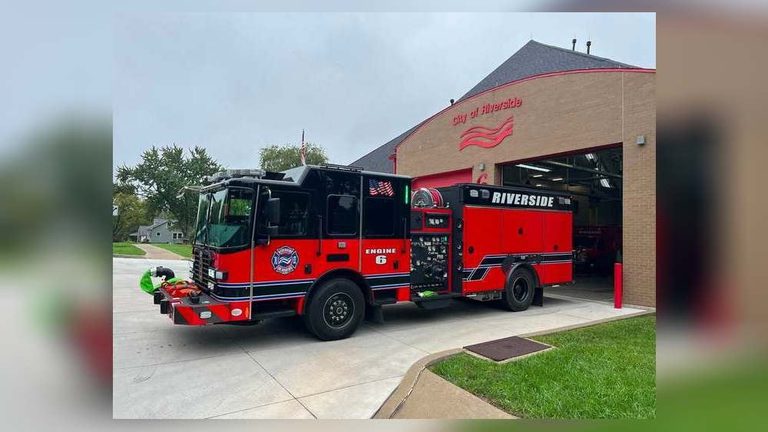
Riverside Fire Department faced a similar dilemma when it ordered a new fire engine. The vehicle took 18 months to arrive from the factory, prompting Chief Mark Miller to trim the specification to the bare minimum required for safe operation. “We saved up for two years to make this purchase,” Miller noted, adding that the department expects the engine to serve for more than 20 years.
By forgoing optional safety enhancements and luxury features, Riverside reduced its outlay to just under $1 million, a figure comparable to Springfield’s used ladder truck. Miller described the approach as a “shell game” that allowed the department to acquire a functional engine without overburdening taxpayers.
Statewide supply constraints
The shortage is not limited to individual municipalities. Ohio Association of Professional Firefighters spokesperson Jon Harvey warned that the market for used fire trucks is tightening, with only a limited number of pre‑owned units available. “There’s only so many used trucks,” Harvey said, noting that the scarcity drives up prices for both new and used equipment.
Nationally, the fire‑truck industry is dominated by three major manufacturers, and none have increased production capacity to meet rising demand. This bottleneck contributes to the extended delivery timelines and inflated costs that local departments are confronting.
Potential federal involvement
Congress is monitoring the situation, with hearings slated to examine the fire‑truck market, the rapid cost escalation, and the impact on public safety. Chief King expressed hope that legislative scrutiny could lead to shorter build times and lower overall prices. “Hopefully we’ll be able to see some of the better build times and potentially a reduction in the overall cost,” he said.
While no specific congressional action has been announced, the discussion underscores the importance of ensuring that lifesaving equipment remains affordable for municipalities across the nation.
What this means for taxpayers
For residents of Springfield, Riverside, and surrounding communities, the shift toward used trucks and pared‑down specifications translates into lower tax burdens without compromising emergency response. Both departments stress that safety remains paramount; the essential capabilities of the vehicles are retained, even as optional upgrades are deferred.
As fire departments continue to navigate supply‑chain challenges, local officials are urging citizens to stay informed about budget decisions and to support measures that prioritize fiscal stewardship while safeguarding public safety.
Original reporting: WHIO-TV Dayton (local) — read the source article.