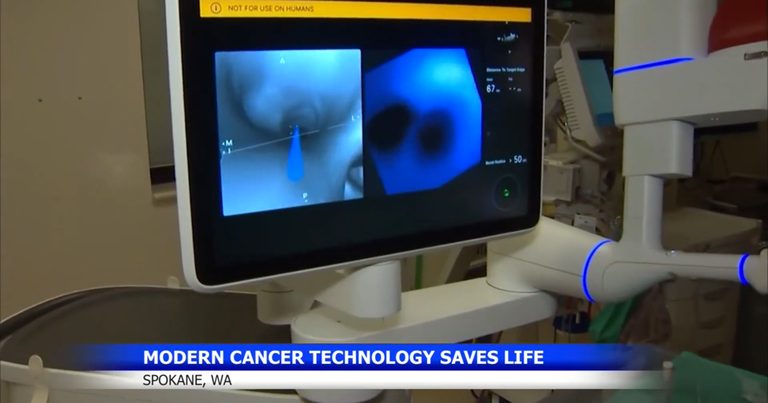
Spokane, Wash. – After a routine check revealed a fast‑growing lung tumor, longtime gymnastics coach Nadine Burgess credits early detection and rapid local care for saving her life. The 6‑centimeter mass was caught early enough for surgeons to remove it, giving her a strong chance of long‑term survival.
Early detection made the difference
“A 6‑centimeter mass in my lung,” Burgess recalled, describing the diagnosis that could have turned deadly within a few years without prompt action. Dr. Greg Heinicke, a pulmonologist with MultiCare, explained that lung cancer of this type can be fatal quickly if not identified early and surgically removed.
“Unfortunately with that form of cancer, without an early diagnosis and an option for removal, those patients die within a couple of years,” Dr. Heinicke said.
Spokane’s medical resources enable swift care
He noted that Spokane’s medical facilities have the technology to detect lung cancer early through screening programs. “With early identification, the chances of five‑year survival can be upwards of five times higher than for late‑stage diagnoses,” he added.
Current screening guidelines encourage testing for adults ages 50 to 80 with a smoking history, though Dr. Heinicke emphasized that lung cancer also affects people without any smoking or family history.
Personal priorities guided treatment
Burgess, who has lived in Spokane for more than 20 years, set three clear goals during her treatment: move quickly, keep working, and stay in Spokane if possible. “I have been here just over 20 years, so Spokane is home. Never intend to leave,” she said.
Medical staff responded to those priorities, coordinating phone calls, faxes, and rapid referrals to ensure the tumor was removed without delay. “They recognized the situation and made sure it happened now,” Dr. Heinicke explained.
Returning to adventure and community
After surgery, Burgess was able to resume one of her favorite traditions: doing handstands with her gymnastics students. She even celebrated her recovery with a handstand in Bhutan, the destination she had originally planned to visit before her diagnosis.
“The sunrise was coming up and it was truly one of those celebratory, best moments,” she reflected.
Implications for Spokane residents
Dr. Heinicke reported that more than two‑thirds of lung cancer cases at his center are diagnosed in patients who have no symptoms, underscoring the value of proactive screening. He urged Spokane residents to discuss lung‑cancer screening with their doctors, especially those in the recommended age range.
By highlighting a local success story, Burgess hopes to encourage others to take advantage of early‑detection programs and keep Spokane’s health community strong.
Original reporting: KHQ Spokane (news) — read the source article.