There is a particular kind of afternoon in Washington that belongs entirely to the National Gallery of Art Sculpture Garden. The light is angled just right, the fountains are running, someone nearby is eating a gelato, and you are standing in front of a typewriter the size of a small car — Mark di Suvero’s gleaming Isis catching the sun — thinking that this city somehow managed to put world-class sculpture in a park and make the whole thing feel completely effortless. It never gets old.
The Sculpture Garden sits on the National Mall between 7th and 9th Streets NW, directly across from the Hirshhorn and just steps from the main museum buildings. It covers about six acres, which is enough room to feel genuinely unhurried. The layout is smart: broad gravel paths curve around a large central fountain that becomes an ice-skating rink every winter, and eighteen major works are spread throughout in a way that invites wandering rather than marching. Nobody is herding you from piece to piece. You set your own pace, and that is half the pleasure.
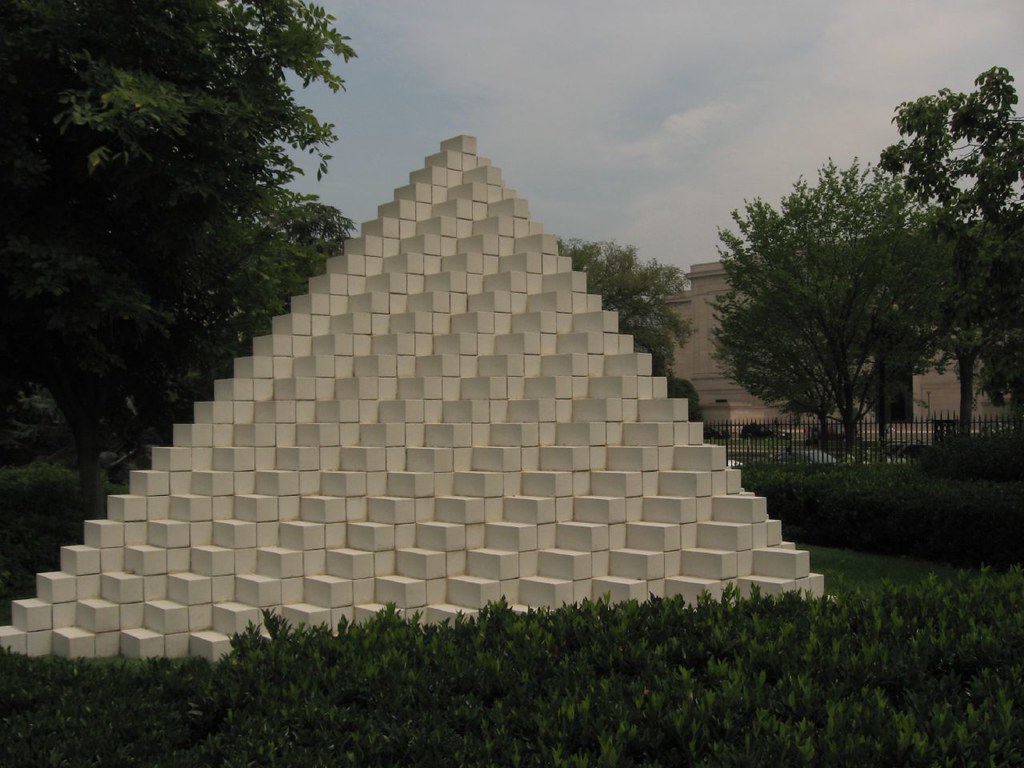
The collection itself is a genuine highlight of twentieth and twenty-first century sculpture. Louise Bourgeois’s Spider looms at one end in a way that is simultaneously menacing and strangely maternal. Roy Lichtenstein’s House I looks like a cartoon that stepped off the page and decided to stay. Typewriter Eraser, Scale X by Claes Oldenburg and Coosje van Bruggen is one of those works that stops people mid-sentence — it is absurd and precise and somehow very moving. Each piece has a small interpretive placard that offers just enough context without over-explaining, which is exactly the right call.
The Pavilion Café, tucked along the garden’s western edge, is one of the Mall’s better kept pleasures. Sandwiches, salads, soups, and proper espresso drinks are served indoors and at umbrella tables outside. On a mild day, getting a coffee and settling near the fountain for twenty minutes while watching people react to the sculpture for the first time is a genuinely restorative experience. In winter, the skating rink draws a cheerful crowd, skate rentals are available on site, and the café pivots to hot drinks and warming food in a way that makes even a cold December visit feel festive rather than punishing.
Admission is free, as it is for all National Gallery of Art programming — a fact that still manages to feel slightly miraculous given the quality on display. The garden is open every day except Christmas and New Year’s Day, and the hours are generous. Mornings are quieter if you prefer elbow room; late afternoons bring a golden light that photographers and casual visitors alike tend to linger in.
The surrounding neighborhood pulls everything together. You are a short walk from the National Archives, the Mall itself, and the East Building of the National Gallery, where the permanent collection of modern art makes an ideal indoor complement to what you’ve just seen outside. Pennsylvania Avenue is close enough for a post-visit dinner without any real effort.
What the Sculpture Garden does better than almost any comparable space in the country is make serious art feel approachable without dumbing it down. There is no admission desk, no bag check line, no audio tour you feel obligated to finish. Just good sculpture, good proportions, and enough open sky to put everything in perspective. Come once and you will find yourself returning the next time you are within walking distance — which, if you spend any time on the Mall, will be sooner than you think.