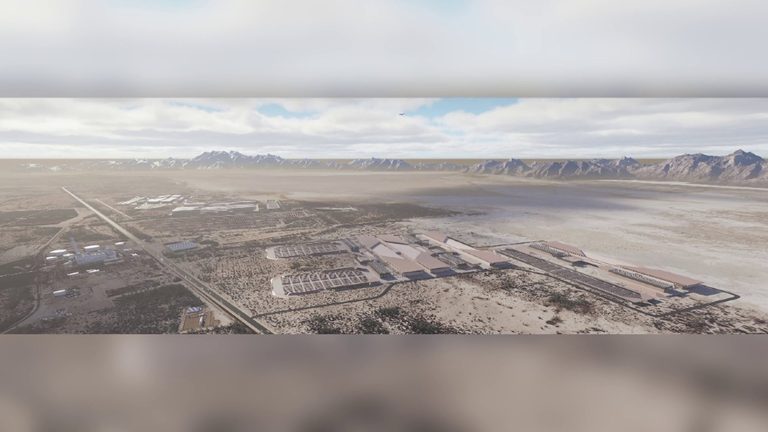
SpaceX, the aerospace and artificial‑intelligence firm founded by Elon Musk, filed an application to build a massive data‑center campus on roughly 750 acres near Willcox Playa in Cochise County, Arizona. The project, estimated at $50 billion, would be the largest data‑center complex in the state and is projected to create more than 5,000 construction jobs and about 1,000 permanent positions once operational.
Economic promise and infrastructure investment
The company says the development will spur a significant economic boost for the region. In its filing, SpaceX pledged to invest over $3 billion in upgrades to the local power grid, a move the firm argues will improve electricity reliability for nearby residents and lower their utility bills. The company also claims the new campus will reduce property taxes for surrounding property owners.
Local concerns and organized opposition
Community activists have quickly mobilized to question the project’s impact on water resources, wildlife, and overall quality of life. Tara Clayton, organizing director for Rural Arizona Engagement, told local media that residents are “extremely concerned about the integrity of this SpaceX data center,” citing worries about potential chemical use, water‑supply strain and effects on local wildlife.
Clayton emphasized the need for county leaders to listen to community input before any approvals are granted. “Whether they’re telling us the absolute truth about some of these benefits that we might be receiving or the chemicals that might be involved in this facility, how it could potentially impact our water supply here locally or local wildlife, quality of life,” she said.
Environmental questions
Ken Gillingham, a professor of environmental and energy economics at Yale University who has studied data‑center operations, noted that SpaceX has historically relied on diesel generators for power at some of its sites. He warned that the company “has acquired a reputation for not being the most environmentally oriented of the large hyperscalers,” and that there are “other claims that they have not been following environmental protections in a very, very serious way.”
State officials weigh in
Arizona Attorney General Kris Mayes expressed concerns during an interview, saying her office is reviewing the proposal for potential grid‑stability issues. Mayes asked whether the project could “destabilize our grid in the southwest and maybe even potentially in the West,” highlighting the need for thorough analysis before moving forward.
Next steps in the planning process
The proposal must now be considered by the Cochise County Planning and Zoning Board, which has scheduled a public hearing for December 9. Arizona’s Family Investigates has reached out to the Planning and Zoning department and the three members of the Board of Supervisors for comment but has not yet received a response.
As the hearing approaches, residents, business leaders and state officials will weigh the projected economic benefits against the environmental and community concerns raised by local activists and experts.
Original reporting: azfamily KTVK/KPHO Phoenix (news) — read the source article.