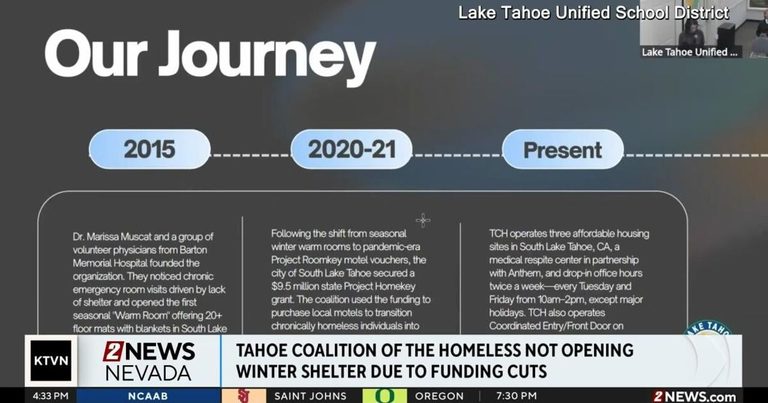
South Lake Tahoe residents learned this week that the planned short‑term winter shelter will remain closed for the 2026‑2027 season. During a presentation to the Lake Tahoe Unified School District, Emil Elyse, executive director of the Tahoe Coalition of the Homeless, explained that recent cuts to federal funding left the organization with a painful decision: allocate limited resources to permanent housing initiatives or keep the temporary warming center open.
Funding shortfall drives the decision
Elyse said the coalition had relied on a specific federal grant to fund the seasonal shelter, which provides a safe, heated space for unhoused individuals during the cold months. “We made the very difficult decision of not participating in the temporary winter shelter this year because this capacity strain,” she told the school board audience. The loss of the grant means the coalition must redirect the remaining dollars toward longer‑term housing solutions, which they view as a more sustainable way to address homelessness in the region.
Impact on the community
The closure affects dozens of people who typically rely on the shelter for warmth, meals, and basic services during winter storms. Local service providers and faith‑based groups have expressed concern, noting that the shelter has historically served as a critical safety net for the most vulnerable residents. However, the coalition emphasized that the shift toward permanent housing aligns with broader goals of reducing chronic homelessness and fostering stability for families.
Response from local officials
Lake Tahoe Unified School District officials, who were briefed on the situation, indicated they will continue to support the coalition’s efforts to expand permanent housing options. “We appreciate the coalition’s transparency and remain committed to working together to find solutions that protect our most vulnerable neighbors,” said a district spokesperson.
What’s next for the homeless population?
While the winter shelter will not operate, the coalition plans to increase outreach and referral services, connecting individuals with existing resources such as emergency shelters, food pantries, and health clinics. Community volunteers are being asked to assist with these efforts, and local churches have offered space for temporary drop‑in services.
How residents can help
Residents who wish to support the coalition’s mission can donate clothing, non‑perishable food items, or monetary contributions directly to the organization. Information on donation drop‑off locations and volunteer opportunities is available on the coalition’s website. Additionally, citizens are encouraged to contact their elected representatives to advocate for the restoration of federal funding that supports critical winter services.
The coalition has not yet responded to requests for additional details about the funding cuts, but it reaffirmed its commitment to addressing homelessness through long‑term solutions rather than short‑term fixes.
Original reporting: 2news.com — read the source article.