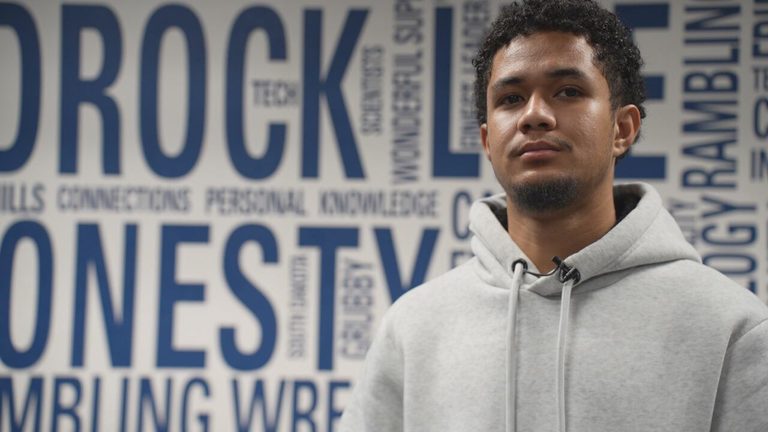
Rapid City – Twelve freshmen from Papua New Guinea stepped onto the campus of South Dakota Mines this fall, marking the first cohort from that nation to study at the engineering school. The students arrived under a newly signed memorandum of understanding (MOU) between South Dakota Mines and the University of Papua New Guinea (UPNG).
Partnership details
The MOU, signed virtually by Mines President Brian Tande, interim mining engineering head Rudra Mitra, U.S. Embassy chargé d’affaires Alex M. Berenberg, and UPNG vice‑chancellor Ian Findlay, establishes a framework for faculty and student exchanges, collaborative research and joint academic programming. Both institutions hope to develop two‑plus‑two undergraduate pathways, allowing students to spend two years at each university and earn degrees through the partnership.
“This is a very natural partnership between our institutions and between our countries,” President Tande said. “I want to see us building that relationship to the fullest extent.”
Scholarships and goals
The Papua New Guinea government provided scholarships for the twelve students, adding to a broader initiative that has sent more than 120 Papua New Guinean scholars to universities across North and South Dakota. Minister of Education Lucas Dawa Dekena emphasized that the goal is for students to “bring back the American spirit and can‑do attitude” to fuel innovation at home.
Students expressed a strong desire to return home after graduation. Chemical engineering student Jintai Kim said he plans to build factories that use local raw materials, while biomedical engineering student Alfred Gramu wants to apply his new medical knowledge to improve healthcare in his developing nation.
Campus life and faith
Beyond academics, the group has formed a Bible study circle, which student Benedette Mua says helps balance coursework and social life. Mechanical engineering student Maelasi Smerewai is already engaged in research, collaborating with Professor Christian Vargas on a project to manufacture portable shelters from PVC pipe and acrylic.
“Without our connections to other cultures and countries, our world becomes so much smaller,” said Beth Riley, director of the Ivanhoe International Center at Mines. “We gain global reach, better understanding, and stronger collaboration.”
Looking ahead
The partnership promises ongoing benefits for both nations, fostering cross‑cultural learning, research innovation and a pipeline of skilled engineers who will contribute to economic growth at home and abroad.
Original reporting: KOTA (Gray) – local — read the source article.