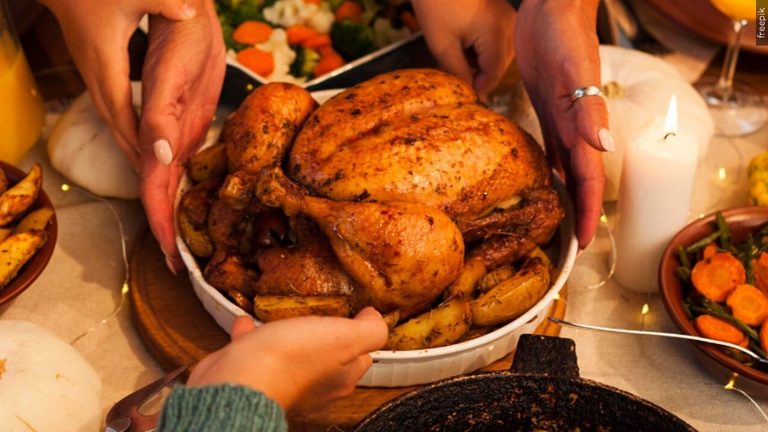
Rapid City – Preparing a traditional Thanksgiving feast is a cherished family ritual, but a new ConsumerAffairs study indicates South Dakota households may spend more than most of their neighbors. The analysis ranks the Badlands State seventh among the most expensive states for a Thanksgiving dinner, estimating an average cost of $70.32 to feed ten people.
Tax policy lifts the price tag
The study attributes the higher cost primarily to South Dakota’s 6.2% sales tax on groceries, candy and soft drinks. Taxes account for roughly 5.8% of the estimated Thanksgiving meal cost in the state, compared with a national average of 1.9%.
By contrast, the price of the turkey itself shows little variation. Frozen turkey prices were nearly uniform across the country, averaging about 97 cents per pound. That suggests the bulk of the price gap comes from taxes and the cost of other staple items such as stuffing, mashed potatoes, cranberry sauce, gravy and pumpkin pie.
How families can keep costs down
ConsumerAffairs recommends a few practical steps for families looking to stretch their holiday budget. Comparing grocery prices across local retailers, watching for store promotions, and planning purchases ahead of time can all help reduce the final bill. Since the study used prices from Walmart stores in each state’s largest city, shoppers may find lower prices at regional markets or independent grocers.
Another tip is to consider buying a fresh turkey instead of a frozen one, as fresh birds sometimes offer better value per pound, especially when sales are running. Preparing homemade sides from bulk ingredients can also shave dollars off the total cost.
What the numbers mean for South Dakota households
While a $2.10 difference per dinner may seem modest, it adds up for families on tight budgets, particularly those feeding larger households or hosting multiple gatherings. The study underscores how state tax policy can directly affect everyday expenses, reinforcing the importance of fiscal awareness at the household level.
South Dakota’s tax structure, which treats groceries the same as other taxable goods, contrasts with many neighboring states that exempt food from sales tax. For families who value the tradition of a full Thanksgiving spread, understanding this tax impact can inform smarter shopping decisions.
Full analysis available
The complete ConsumerAffairs report is accessible on the organization’s website for readers who want a deeper dive into the methodology and state‑by‑state breakdown.
Original reporting: KOTA (Gray) – local — read the source article.