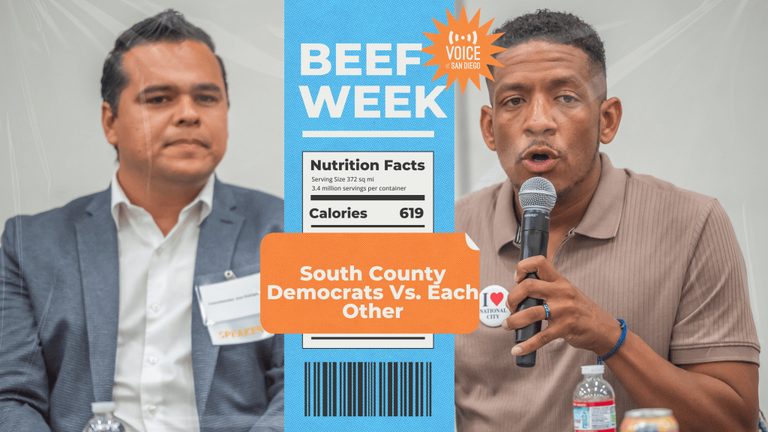
South County voters witnessed a stark example of partisan division in this year’s local elections. Despite a nationwide Democratic surge on Nov. 3, the three major cities in the region – National City, Chula Vista, and Imperial Beach – failed to deliver a single mayoral victory for the party.
National City’s uncontested Democratic gain
The only Democratic breakthrough came in National City, where longtime Republican mayor Ron Morrison retired. Two Democratic councilmembers, former friends turned rivals, contested the open seat, guaranteeing a Democratic mayor.
Chula Vista and Imperial Beach slip to Republicans and independents
In Chula Vista, the region’s largest city, Democratic infighting hampered efforts to unseat long‑serving Republican mayor John McCann. Rival Democratic candidates split the vote, allowing McCann to retain his office.
Similarly, Imperial Beach saw a divided Democratic field hand the mayoral race to conservative independent Mitch McKay, who benefited from the fractured left‑leaning base.
City Council District 8 becomes a costly intra‑party battle
The most expensive race in the county was the contest for San Diego’s border‑adjacent City Council District 8, pitting two Democrats against each other: San Ysidro School District Trustee Antonio Martinez and District 8 Chief of Staff Gerardo Ramirez. Both candidates shared similar policy positions but represented rival labor‑union factions.
Donors poured $2.4 million into the race, with labor unions providing the bulk of the funding. The two candidates raised only $250,000 in small‑donor contributions, while independent expenditure committees linked to Local 89 of the Laborers International Union of North America (LIUNA) contributed nearly $200,000 to Ramirez’s campaign and $160,000 to support Chula Vista Democratic primary candidate Francisco Tamayo.
Ultimately, Martinez emerged victorious, but the race cost $400,000 less than the high‑profile District 2 contest between former Republican Coronado Mayor Richard Bailey and Democratic Deputy City Attorney Nicole Crosby.
Labor unions and campaign costs reshape the landscape
Observers attribute the heightened stakes to two factors: the growing financial clout of labor unions in Democratic campaigns and the rising expense of traditional outreach methods. Candidates reported that door‑to‑door canvassing and mailers have become prohibitively costly, pushing them to rely on deep‑pocketed union support and political consultants.
Local business owners, feeling squeezed by rising costs, are increasingly reluctant to fund political races, further amplifying the influence of organized labor.
Calls for unity amid lingering bitterness
Long‑time political figure Francisco Tamayo, who has experienced both sides of the Democratic divide, warned that continued infighting could jeopardize future victories. “We need to bury the hatchet and work together, or we’ll see the same results in 2028,” he said.
Tamayo also urged party members to move past “petty feelings” and focus on broader goals, endorsing fellow Democrat Jessica Tolston for the Chula Vista Elementary School District board despite criticism that her past work with the Department of Homeland Security made her a target for union opposition.
The bitter after‑effects of this election cycle suggest that South County Democrats must reconcile internal rivalries and reassess their reliance on union financing if they hope to translate national momentum into local wins.
Original reporting: Voice of San Diego — read the source article.