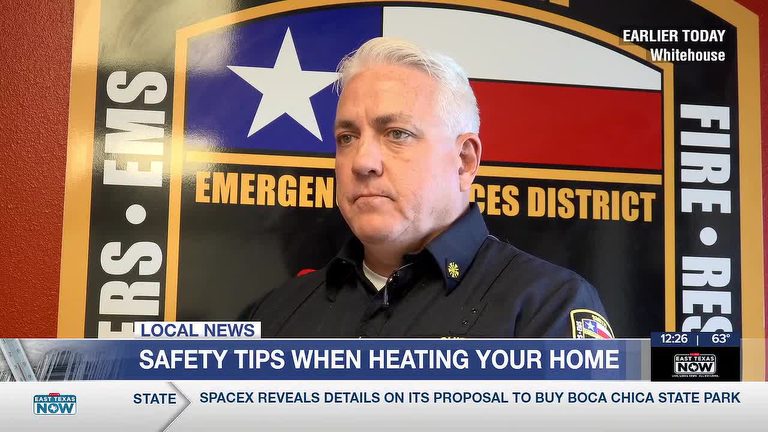
TYLER, Texas – With winter temperatures arriving, Smith County Emergency Services District 2 Operations Chief Eric Greaser is sounding a simple but vital reminder for homeowners: test your smoke and carbon‑monoxide detectors now, before the furnace fires up.
Why the timing matters
“We would just ask everybody to consider checking their smoke detector,” Greaser said in a recent interview. “Just go check it. It’s easy. Push the button and make sure that it’s working.” The chief emphasized that the colder months bring increased use of heating systems, which can produce carbon monoxide if not properly maintained.
Battery‑powered alarms need regular attention
Greaser highlighted two practical steps for residents with battery‑operated devices. First, replace the batteries every time the clocks change for daylight‑saving time. Second, remember that most detectors have a useful life of about ten years; after that, the sensors that sense smoke or carbon monoxide can become clogged with dust or debris, reducing their effectiveness.
Carbon monoxide risks rise with furnace use
“Any kind of flame source would be your source of where that carbon monoxide would be coming from,” Greaser explained. “So we want to make sure that as we go into the winter months and we fire up the furnace that we are prepared for the potential for carbon monoxide inside the house.” He urged homeowners to ensure that furnaces, fireplaces, and portable heaters are inspected and vented correctly, and to never use outdoor‑only equipment, such as grills, inside the home.
Simple steps to keep families safe
- Press the test button on each detector monthly to confirm it sounds.
- Replace batteries in battery‑powered units at the start of daylight‑saving time.
- Mark the installation date on each detector; replace any unit older than ten years.
- Schedule a professional furnace inspection before the first freeze.
- Never run a generator, charcoal grill, or camp stove inside a closed space.
Greaser reminded that early detection can mean the difference between a minor incident and a tragic loss. “If you hear that alarm, get out of the house, call 911, and don’t re‑enter until officials say it’s safe,” he said.
Community resources
Smith County Emergency Services District 2 offers free detector testing stations at several community centers throughout the county. Residents can also call the district’s hotline at (903) 555‑0123 for guidance on replacing or upgrading their alarms.
By taking these straightforward precautions, families can enjoy a warm, safe winter while protecting the most vulnerable members of the household – children, seniors, and those with health conditions that make carbon‑monoxide exposure especially dangerous.
Original reporting: KLTV 7 Tyler (news) — read the source article.