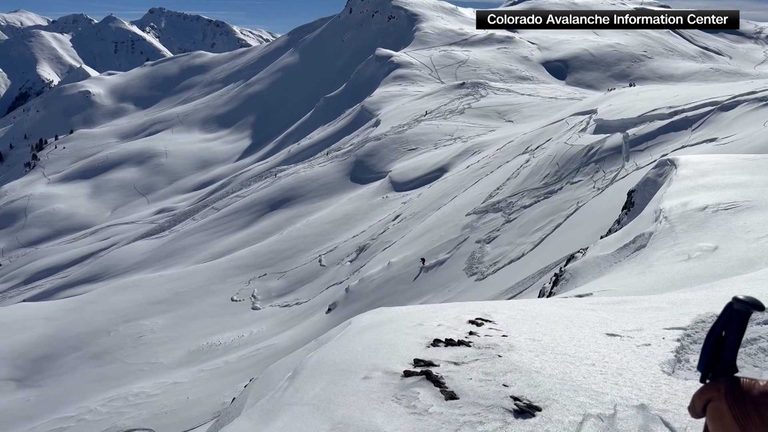
On November 22, a skier descending near Red Mountain Pass in Colorado triggered an avalanche that set off further slides on adjacent terrain. The incident was captured on video and later shared by the Colorado Avalanche Information Center (CAIC) on its social‑media channels.
CAIC Details the Event
The CAIC explained that the skier’s movement disturbed a weak snow layer, causing a primary avalanche that propagated into additional avalanches on nearby slopes. “Over the weekend, we saw several large, human‑triggered avalanches, including some of the largest reported this season,” the agency wrote in a Facebook post on Monday.
According to the center, 85 avalanches were recorded over the past week, a figure that underscores the heightened risk posed by recent snowfall and wind loading. “New snow and wind have built thicker slabs over a persistent weak layer. Even as avalanches become harder to trigger, cracks can still travel long distances through the weak snow, producing large, destructive avalanches,” the post read.
Safety Guidance for Backcountry Travelers
In response to the surge in activity, the CAIC has been posting daily forecasts and urging skiers, snowboarders, and hikers to take extra precautions in avalanche‑prone areas. “As more people head into the backcountry this week, remember that tracks on a slope are not a sign of stability. Previous riders may have missed sensitive trigger points, such as thin, rocky areas or wind‑loaded rolls. Give yourself a wide margin for error when venturing into new terrain,” the agency advised.
The center recommends that anyone planning to travel in the backcountry carry proper avalanche safety equipment, including a beacon, probe, and shovel, and that they receive training on how to use these tools effectively. Checking the latest CAIC forecasts before heading out is also essential.
Local Impact and Community Response
Colorado’s backcountry community has expressed concern over the recent avalanche activity, emphasizing the need for responsible recreation. Local outfitters and guide services are reminding clients that safety should always come before thrill‑seeking, especially when conditions are unstable.
While the skier involved in the Red Mountain Pass incident was not reported injured, the event serves as a stark reminder that even experienced backcountry users can inadvertently trigger dangerous slides. The CAIC’s prompt sharing of the video aims to educate the public about the real‑time consequences of triggering avalanches.
Looking Ahead
With more snowfall expected in the coming days and continued windy conditions, the risk of additional avalanches remains elevated across Colorado’s mountainous regions. The CAIC will continue to monitor conditions, issue forecasts, and provide safety alerts to help protect both residents and visitors enjoying the state’s winter recreation opportunities.
Original reporting: 40/29 / KHBS (NW Arkansas) — read the source article.