Even the most seasoned home cooks run into kitchen hiccups, especially on busy weeknights when time and resources are limited. The good news is that most mistakes can be corrected with a few simple tricks, helping families enjoy tasty meals while reducing waste.
Blurry or Stale Baked Goods
If a loaf, muffin or pastry turns out flat, overly sweet, or simply stale, a quick glaze can bring it back to life. Drizzle maple syrup, honey, or a chocolate spread over the top, then add a pinch of salt for contrast. A salted cardamom glaze, for example, can turn dull muffins into a crowd‑pleaser within minutes.
When baked items are truly past their prime, soak them in a seasoned egg‑and‑milk mixture and bake again to create a comforting bread pudding. Leftover doughnuts work well as chocolate‑coated truffles, giving a new purpose to what might otherwise be tossed.
Overcooked Poultry or Meat
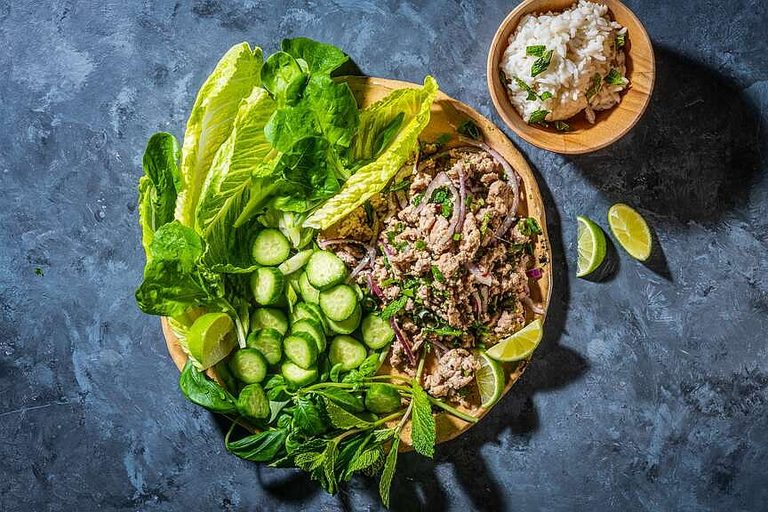
Overcooked meat can be rescued by cutting it thinly against the grain, which shortens muscle fibers and reduces toughness. Chef Pailin Chongchitnant recommends tossing the slices into a Thai‑style laab salad with toasted rice powder, fresh herbs and a splash of lime. The bright, acidic flavors mask dryness and make the meat enjoyable again.
Chef Cal Peternell suggests a quick salsa‑verde soak for thin slices, served cold as a salad. For a more involved fix, layer the meat with onions, mushrooms, herbs and a splash of broth, then bake until the flavors meld. Peternell notes that “meats are precious,” and rescuing them helps families avoid waste while honoring the effort that went into raising the animal.
Over‑Seasoned Soup or Curry
When a pot becomes too salty or spicy, dilution is the easiest remedy. Add unsalted broth, water, extra vegetables, beans or a handful of rice or noodles to balance the flavor. If the dish is overly hot, a dollop of plain yogurt, cottage cheese or a splash of milk can tame capsaicin’s heat.
Sweetness can also counteract excess seasoning. Former Texarkana Gazette writer G. Daniela Galarza recommends dropping half a peeled apple into an over‑spiced soup; the fruit absorbs some salt and adds a subtle sweetness. Honey, maple syrup or a peeled potato work similarly, soaking up excess salt while contributing a gentle sweetness.
Mushy Rice
Extra water is the usual culprit behind mushy rice. If the rice is only slightly soft, simply draining the pot and letting it sit uncovered can help evaporate excess moisture. For more severe cases, the grains have released starch and cannot be restored to their original texture.
Instead of discarding the rice, consider turning it into a new dish. Chef Peternell suggests pureeing the rice with vegetables, butter, lemon juice and herbs to create a hearty soup. Stirring in plain yogurt, walnuts and maple syrup makes a sweet‑savory breakfast bowl, while adding milk, sugar and spices transforms it into a comforting rice pudding.
For future success, Jeni Ellick of Lundberg Family Farms advises using long‑grain white rice for dishes that require distinct grains, and whole‑grain varieties for sturdier results. Consistently using the same pot and lid helps cooks learn the exact timing for their equipment.
Dull Dinner Plates
Even a well‑balanced meal can feel flat without flavor. A quick sprinkle of a quality spice blend—such as Great North Maple Garlic or Parisian Shallot Herb—adds depth. Pickled vegetables like sauerkraut, kimchi, capers or pickled red onions provide acidity and crunch that brighten bland dishes.
When a sauce is needed, don’t shy away from simple options. A bright romesco, spicy avocado crema or a dash of hot pepper sauce can elevate a plain plate. Even a familiar bottle of ketchup, used thoughtfully, can add a touch of sweetness and tang.
With a little creativity and these practical fixes, families can turn kitchen mishaps into new favorite meals, saving both time and money while keeping the dinner table enjoyable.
Original reporting: Texarkana Gazette — read the source article.