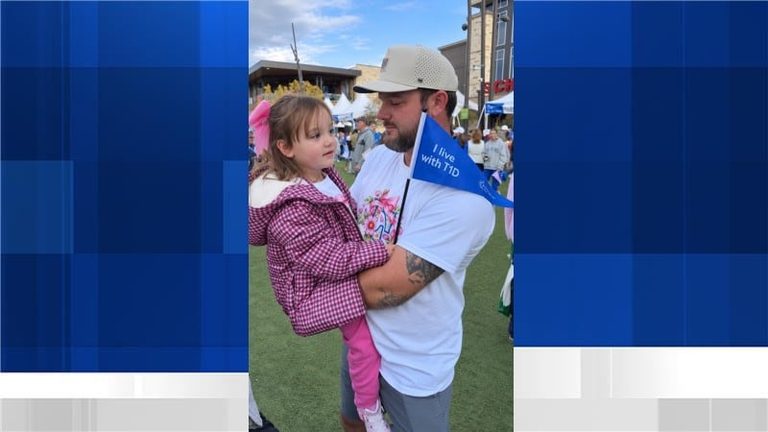
SHERMAN, Texas – In the heart of National Diabetes Awareness Month, a local family is reaching out for support to secure a diabetic alert dog for their three‑year‑old daughter, Emma Westbrook. Emma was diagnosed with Type 1 diabetes after a sudden bout of diabetic ketoacidosis sent her to Cook Children’s Hospital.
Diagnosis and daily challenges
Emma’s parents, Zach Westbrook and Inessa Nicanor, first noticed troubling symptoms when Emma was unusually tired, excessively thirsty, and frequently urinated. “We even smelled a sweet odor on her breath,” Nicanor recalled. “The doctors initially thought it was a viral illness.” The next day Emma became pale and could not get out of bed, prompting an emergency visit that revealed her condition.
Type 1 diabetes is an autoimmune disease in which the body’s immune system attacks the pancreas, halting insulin production. “Her cells attacked her pancreas, so she can no longer produce insulin and must be on insulin for the rest of her life,” Nicanor explained. Emma now relies on an insulin pump and a continuous glucose monitor, tools that have saved her life but are not infallible.
Why a diabetic alert dog?
While the pump and monitor are essential, they can fail or give false readings, especially at night. “We lose sleep constantly checking Emma’s levels,” Westbrook said. “A diabetic alert dog could smell a drop in blood sugar before it becomes a life‑or‑death situation and wake us up.”
Unfortunately, there is no pediatric endocrinologist in the Texoma area, making the prospect of a trained service dog even more critical for the family’s peace of mind.
Fundraising effort
The Westbrook family estimates the cost of a trained diabetic alert dog at $30,000. Through the generosity of friends, family, and community members, they have already saved about one‑third of that amount. “These days everything is so expensive, and a little bit here and there from anybody would go a long way,” Westbrook said.
The family has set up a local fundraiser and is sharing their story in hopes that more parents will become aware of the importance of early diabetes screening for children.
How the community can help
Residents of Sherman and the surrounding Texoma region can contribute directly to the Westbrook family’s fund or donate supplies that support Emma’s daily care. Local churches, civic groups, and businesses are encouraged to spread the word and consider matching donations.
Emma’s story underscores the broader need for increased awareness of Type 1 diabetes in children, a condition that often goes unnoticed because routine pediatric visits do not include blood‑sugar testing. Early detection and vigilant management are essential to prevent life‑threatening episodes.
Looking ahead
The Westbrook family remains hopeful that with community assistance, they will secure the diabetic alert dog and provide Emma with an additional layer of safety. Their appeal serves as a reminder that caring for a child with a chronic health condition is a collective responsibility, and that local compassion can make a profound difference.
Original reporting: KXII News 12 (Gray) — read the source article.