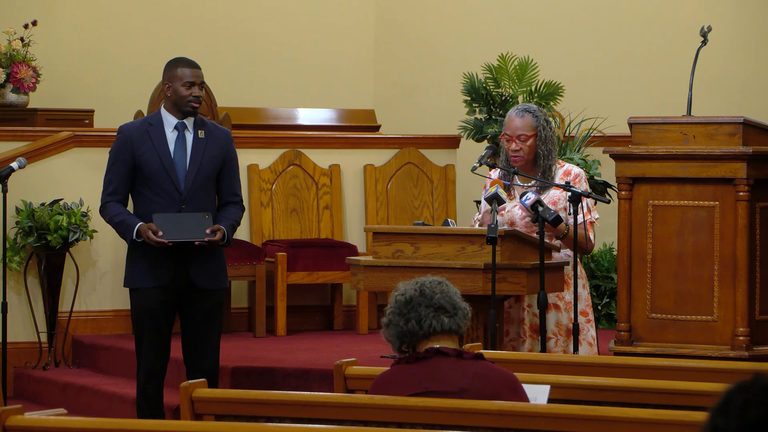
On Thursday, Shelby County Commissioner Henri Brooks held a town‑hall meeting at First Baptist Church on Broad Street to walk constituents through the county’s newly adopted temporary moratorium on data‑center development in unincorporated areas outside Memphis city limits. The session, organized in partnership with the Memphis Community Against Pollution, gave residents a chance to hear the rationale behind the vote and ask questions directly of their elected official.
Why the moratorium matters now
Brooks explained that the county commissioners narrowly approved the moratorium on Monday, despite the fact that no data‑center projects are currently slated for the unincorporated region. “Even though there are no data centers, we still need to move forward, be proactive, get ahead of these developers, so that they’ll know the rules that we’re gonna play by,” he said. The temporary ban gives the board time to craft clear zoning standards, assess infrastructure impacts, and ensure that future digital‑infrastructure growth aligns with community values and environmental safeguards.
Community response and concerns
Attendees expressed a mix of support and curiosity. Many praised the precautionary approach, noting that data‑centers can strain local water supplies and increase energy demand. Others asked about the potential economic benefits that a well‑planned data‑center hub could bring, such as jobs and tax revenue. Brooks acknowledged those points, emphasizing that the moratorium does not permanently block development—it simply pauses it while the county develops a responsible framework.
Opposition from the business community
The Greater Memphis Chamber, representing local businesses, voiced opposition to the moratorium. Chamber representatives argued that Memphis is uniquely positioned to lead the nation in responsible digital‑infrastructure growth and warned that a blanket pause could jeopardize the city’s competitive advantage. They contend that clear, market‑friendly guidelines, rather than a temporary ban, would better serve both the economy and the environment.
Next steps for the county
Commissioner Brooks said the next phase will involve a public‑input process, technical studies, and coordination with state agencies to draft comprehensive zoning ordinances. The county plans to hold additional workshops and solicit feedback from businesses, environmental groups, and residents before the moratorium expires.
What residents can do
Community members who wish to stay informed or provide input are encouraged to sign up for the county’s newsletter, attend future public meetings, and submit comments during the upcoming comment period. The county’s website will host draft language and data‑center impact studies for review.
By taking a measured, proactive stance, Shelby County aims to balance economic opportunity with responsible stewardship of local resources, ensuring that any future data‑center development benefits both the community and the environment.
Original reporting: Action News 5 WMC (Gray) — read the source article.