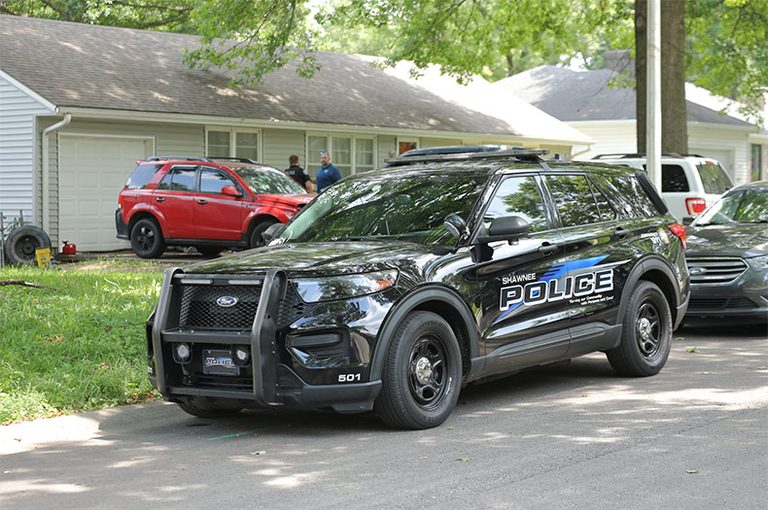
At a Shawnee City Council meeting on Nov. 9, councilmembers voted 7‑1 to approve a seven‑year, $4.9 million extension of the city’s contract with Arizona‑based security‑technology firm Axon Enterprise. The agreement, which runs from Feb. 1, 2027 through Dec. 31, 2034, adds portable license‑plate readers, drones, cameras and an artificial‑intelligence‑driven Real‑Time Operations Center to the Shawnee Police Department.
Contract details and funding
The existing Axon agreement already provides body‑worn cameras, in‑car video equipment and TASER 10 devices, costing the city $423,000 per year through 2033. The new extension adds roughly $198,000 per year, bringing the total annual spend to about $621,000. Funding will come from the police department’s Public Safety Equipment Fund.
New technology and capabilities
The centerpiece of the upgrade is the Fusus Real‑Time Operations Center, a digital interface that consolidates computer‑aided dispatch, vehicle GPS, live feeds from body‑cameras, traffic cameras, drones and the new license‑plate readers onto a single screen. Chief of Police Sam Larson explained, “We don’t have to go to six different screens to see all those different products. Our officers can see all those things on one screen.”
Seven new portable license‑plate reader cameras will be placed in high‑crime areas, while three existing units from another vendor will be replaced. The cameras will capture vehicle data for official law‑enforcement purposes and store it for 180 days, with access limited to authorized personnel.
Axon‑provided drones will serve as “digital officers in the sky,” helping officers respond more quickly to emergencies, especially as the department continues to recruit new personnel. The AI component will streamline emergency calls by asking callers basic questions, translating languages in real time, and providing dispatchers with preliminary information before an officer arrives.
Community involvement and privacy safeguards
Shawnee Police also plan to launch a voluntary “Community Link” program, allowing local businesses, schools and residences to share live camera feeds with police during emergencies. Participation is optional, and owners may opt out at any time. Larson emphasized that the department will not have unrestricted access: “If there’s a type of emergency call there, then we can see it, and that’s up to them. It’s not up to us.”
Councilmember Laurel Burchfield, the lone dissenter, raised concerns about data ownership and privacy. Larson responded that all video and sensor data collected by the department’s own equipment remains the property of the police, and any sharing with other agencies would require a signed memorandum of understanding.
Council reaction
After a thorough questioning of the proposal, Councilmember Eric Persson expressed confidence that the technology upgrade was necessary for public safety. Councilmember Erin Aldridge asked for clarification on the number of license‑plate readers, noting that the city had attempted to negotiate a lower count.
Overall, the council’s approval signals Shawnee’s commitment to modernizing its public‑safety infrastructure while maintaining oversight and community choice.
Original reporting: Johnson County Post (Overland Park) — read the source article.