Seward County Community College, the primary higher‑education institution serving Seward County, Kansas, announced that it will continue to operate with a reduced budget after discovering a significant shortfall in property‑tax collections for the 2025 tax year.
Tax collection gap drives cuts
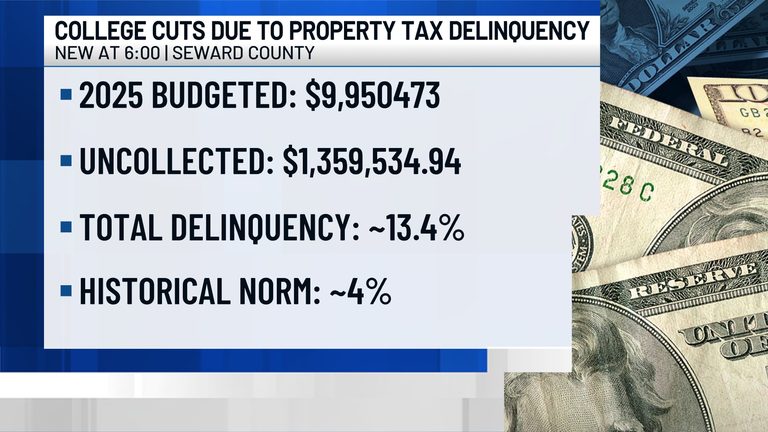
The college levied nearly $10 million in property taxes for the 2025 fiscal year. However, about 13.4% of that amount – roughly $1.3 million – remains uncollected, a sharp rise from the historical norm of 4%.
College officials explained that the final tax distribution was received in October, confirming the gap. Because the college’s funding model relies on three pillars – tuition and fees from students, local property taxes, and state appropriations – any shortfall in the tax pillar forces adjustments to keep the institution financially sound.
Responsible fiscal response
In response, the college implemented budget reductions over the summer. While the cuts will affect certain discretionary programs, administrators emphasized that core academic services will remain intact. “Our priority is to preserve the quality of education for our students and to protect the jobs of our faculty and staff,” said the college’s chief financial officer.
The college is also conducting a thorough analysis of spending to identify additional efficiencies. Options under review include consolidating under‑utilized courses, renegotiating vendor contracts, and postponing non‑essential capital projects.
Impact on the community
Local families and businesses rely on the college for workforce development, continuing‑education opportunities, and cultural events. By taking proactive steps now, the college aims to avoid more drastic measures later, such as tuition hikes or program eliminations that could burden students and families.
Community leaders have expressed support for the college’s prudent approach. Seward County Commissioner Jane Doe noted, “We appreciate the college’s transparency and its commitment to fiscal responsibility. Property‑tax delinquency is a challenge for the whole county, and we will work together to find solutions that protect our educational assets.”
Looking ahead
The college will continue to monitor tax collections throughout the remainder of the fiscal year. If the delinquency rate improves, some of the temporary cuts could be reversed. In the meantime, the institution encourages residents to stay current on property‑tax payments, reminding them that timely contributions directly support local education and economic vitality.
For more information on the college’s budget adjustments and upcoming community forums, visit the Seward County Community College website or contact the office of public affairs.
Original reporting: KWCH 12 (Gray) – local — read the source article.