The U.S. Senate voted 73-25 on Monday, Nov. 9, to advance the Bipartisan American Affordability and Jobs Act (Senate Bill 5653), a measure that would streamline environmental and historic‑preservation reviews for energy and infrastructure projects across the nation. Red River residents, who live near the Taos and Picuris Pueblos and the proposed uranium mine in the Chama Basin, are watching the legislation closely because it could affect future development and natural‑resource protections in their community.
According to Taos News, the bill seeks to revise the National Environmental Policy Act, Endangered Species Act, Clean Water Act and National Historic Preservation Act, reducing the scope of reviews, removing certain historic‑preservation requirements, and shortening the period for judicial challenges. Proponents argue the changes will lower energy costs, create jobs and help data centers cover their own power needs, echoing President Trump’s agenda to reduce regulatory burdens and promote American energy independence.
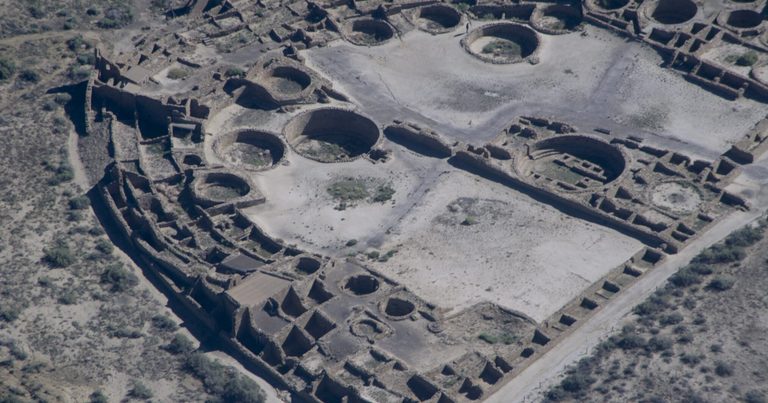
Tribal leaders, however, voiced strong opposition. Taos Pueblo Tribal Secretary Cameron Martinez Sr. told Taos News that the legislation “weakens all of those consultations that a sovereign tribe has the ability to make, for a project or against a project, that impacts our cultural areas and our cultural sites.” The opposition includes Taos Pueblo, Picuris Pueblo and 17 other New Mexico tribes, who fear the bill could jeopardize sacred sites, ancestral lands and natural resources.
Senator John Heinrich, a Republican from New Mexico, co‑sponsored the bill with Republican Sen. Mike Lee of Utah and Democratic Sen. Sheldon Whitehouse. In a statement, Heinrich said, “If we have any hope of making energy cheaper and making data centers pay for their own energy costs, then we need to pass our Bipartisan American Affordability and Jobs Act into law… This bill delivers exactly what Americans told us they wanted on election day: Lower costs and more jobs for American workers — all while reducing our emissions and defending against the administration’s attacks on Tribal consultation.”
Democratic Sen. Ben Ray Luján voted against advancing the measure, and New Mexico Representatives Melanie Stansbury (1st District) and Teresa Leger Fernández (3rd District) also voiced strong opposition, citing concerns raised by Pueblo and environmental leaders.
The bill’s advancement comes as the small ranching community of Canjilon, about 200 residents near the proposed uranium mine, pushes back against plans for uranium extraction in the Chama Basin. While the mine is not yet approved, the permitting bill could accelerate its timeline, raising additional worries for nearby towns such as Red River.
According to Taos News, a final Senate vote on the bill is expected the week of Nov. 23. If passed, the legislation would move quickly to the House and then to the President’s desk, potentially reshaping how energy projects are reviewed in northern New Mexico. Residents of Red River are encouraged to follow upcoming legislative updates and attend any local town‑hall meetings where the bill’s implications may be discussed.
Sources: taosnews.com