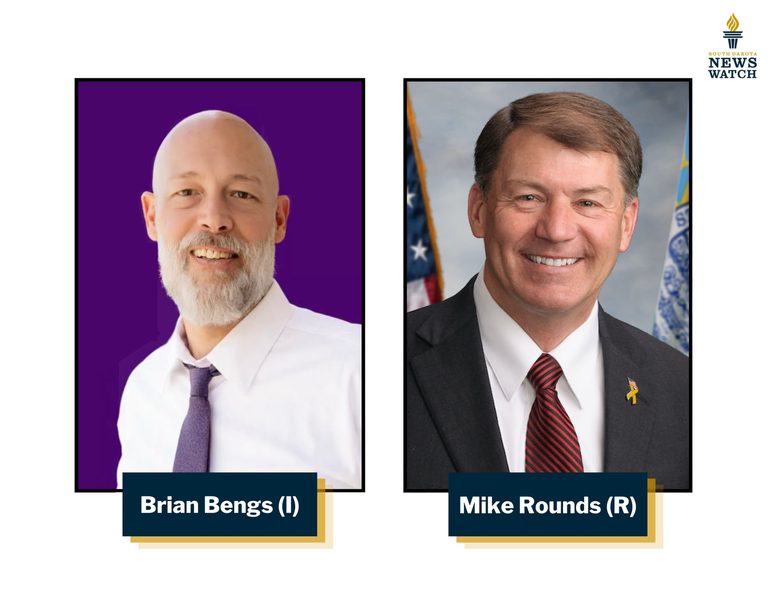
South Dakota voters are giving incumbent Republican Sen. Mike Rounds a decisive edge in the upcoming Senate race. A Mason‑Dixon poll conducted Oct. 12‑14 among 500 likely voters shows Rounds at 56% and independent challenger Brian Bengs at 37%.
Poll methodology and key numbers
The survey, commissioned by News Watch and the Chiesman Center for Democracy at the University of South Dakota, used random telephone‑matched selections from a state voter‑registration list, reaching both landline and cellphone users. All respondents said they were likely to vote in the November general election. The poll’s margin of error is ± 4.5 percentage points.
Among independents, 62% favor Bengs, while 30% back Rounds and 8% remain undecided. This independent‑voter split highlights the growing interest in non‑party candidates, even as the overall race remains firmly in Rounds’ favor.
Why Rounds remains popular
Rob Skjonsberg, campaign adviser for Rounds, emphasized the senator’s deep roots in South Dakota. Rounds served in the state Legislature, was governor from 2003‑2011, and has represented South Dakota in the U.S. Senate since 2015. “South Dakotans know and trust Rounds,” Skjonsberg said, adding that the race will be framed as “common sense versus crazy” on Election Day.
University of South Dakota political‑science professor Julia Hellwege noted that Rounds enjoys a relatively high approval rating for a sitting senator, especially compared with other national figures. His low‑profile approach in Washington, staying away from the more partisan “D.C.-esque” battles, appears to resonate with voters who value a senator focused on state interests.
Brian Bengs’ independent appeal
Bengs, who previously ran for Senate as a Democrat in 2022, has built name recognition across the state. Associate professor Emily Wanless of Augustana University said his prior campaign gave him a “campaign infrastructure” and visibility that many newcomers lack.
Nationally, Bengs is receiving attention alongside other independent Senate hopefuls such as Dan Osborn of Nebraska and Seth Bodnar of Montana. While some independents may still lean toward the idea of a non‑party candidate, Wanless cautioned that many voters who identify as independent do not always act independently at the ballot box.
Comparative polling
A separate poll by Concord Public Opinion Partners showed a much tighter race, with Rounds and Bengs essentially tied at 43%‑42%. Bengs’ campaign has spent over $100,000 on polling to gauge the race’s dynamics. “The fact is that Mike Rounds’ allies wouldn’t be dumping so much money into this race if they really thought it was safe,” said Bengs campaign representative Clara Bronikowski.
What this means for voters
For South Dakota voters, the latest numbers suggest a clear advantage for Rounds, especially among those who value experience and a proven record of state service. However, the sizable independent support for Bengs indicates a continued appetite for alternatives to the two‑party system.
As the campaign heads into the final weeks before the November election, both sides will likely intensify outreach. Rounds is expected to highlight his gubernatorial legacy and his strategic avoidance of partisan gridlock, while Bengs will continue to promote his independent stance and the fresh perspective he brings to Washington.
About the poll sponsor
South Dakota News Watch is an independent nonprofit that funds scientific polling to help elected leaders understand constituent sentiment. The organization relies on reader support to cover polling costs.
Original reporting: KOTA (Gray) – local — read the source article.