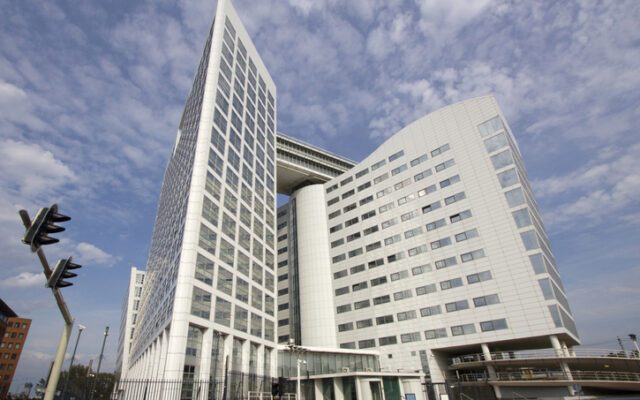
Washington – In a decisive move to protect American sovereignty, Secretary of State Marco Rubio announced today that the United States is imposing sanctions on the International Criminal Court (ICC). The action blocks the court’s assets under U.S. jurisdiction and bars U.S. companies and individuals from conducting business with the ICC, unless the court ceases what the administration calls its politically motivated investigations.
Administration’s Rationale
Rubio, who has repeatedly described the ICC as a “fatally politicized supranational court” that has “maliciously abused its authority,” said the sanctions are a necessary response to the court’s attempts to prosecute U.S. personnel and its recent arrest warrants targeting Israeli leaders for alleged crimes in Gaza. “Either the ICC will end its threats, or we will end the ICC,” Rubio declared in a statement, emphasizing the need to safeguard U.S. citizens and allies from overreaching international tribunals.
Details of the Sanctions
Under the new designation, the Treasury Department will block any ICC assets within U.S. jurisdiction and prohibit U.S. entities from providing services to the court. The Treasury will allow limited essential services to continue for a 180‑day period, giving member states a window to negotiate a solution that addresses Washington’s concerns.
International Context
The announcement follows the Norwegian Nobel Committee’s decision to award the Nobel Peace Prize to former ICC judge Navanethem “Navi” Pillay. Pillay, a South African‑born human rights official, led a U.N. inquiry that concluded Israel committed genocide in Gaza – a finding Israel has strongly disputed. Neither the United States nor Israel are parties to the Rome Statute that created the ICC, and both have long objected to the court’s jurisdiction over their nationals.
Responses from Critics and Allies
The ICC condemned the U.S. designation as an “assault on the rule of law” and warned that its ability to operate depends on the support of its 125 member states. ICC President Tomoko Akane affirmed the court’s commitment to its mandate, citing independence and impartiality.
Israeli Prime Minister Benjamin Netanyahu’s office criticized the Nobel Committee’s choice, calling Pillay a “bigot” who has propagated false accusations against Israel. The Israeli foreign minister dismissed the U.N. panel’s genocide finding as “fake” and based on Hamas falsehoods.
Administration’s Next Steps
Rubio stressed that the sanctions are structured to encourage diplomatic resolution. “We have structured this action to provide an opportunity for States Parties to negotiate and present a solution to address our concerns,” he said. “If these efforts do not bear fruit, we will continue to adjust accordingly.”
The administration’s stance reflects a broader effort to reclaim national authority from global bureaucracies, a theme Rubio highlighted in a recent speech in Athens, where he warned that nations are increasingly outsourcing sovereignty to international bodies beyond democratic control.
What This Means for Americans
By targeting the ICC’s financial channels, the Trump administration aims to prevent the court from imposing legal actions that could affect U.S. service members, government officials, and allied partners. Supporters argue this move reinforces constitutional principles of due process and limits foreign entities from dictating American legal outcomes.
Critics, including several human‑rights organizations, contend that the sanctions undermine accountability for war crimes and could weaken global efforts to uphold international law. However, the administration maintains that the ICC’s actions have been selective and politically driven, threatening the rights of U.S. citizens and allies.
Looking Ahead
The 180‑day window gives diplomatic channels a chance to resolve the dispute. If no agreement is reached, the United States may expand the sanctions, further restricting the ICC’s ability to operate within U.S. jurisdiction.
For now, the Trump administration stands firm in its commitment to protect American sovereignty and ensure that international courts do not overstep their authority.
Original reporting: KTSA News/Talk (San Antonio) — read the source article.