What does a city owe its own history? That question hangs quietly over the Second Street School African American History Museum, a small but serious institution housed in the oldest surviving school building in Lexington built specifically for Black students. The building dates to 1905, and the people who made sure it still stands — and still matters — are worth knowing about.
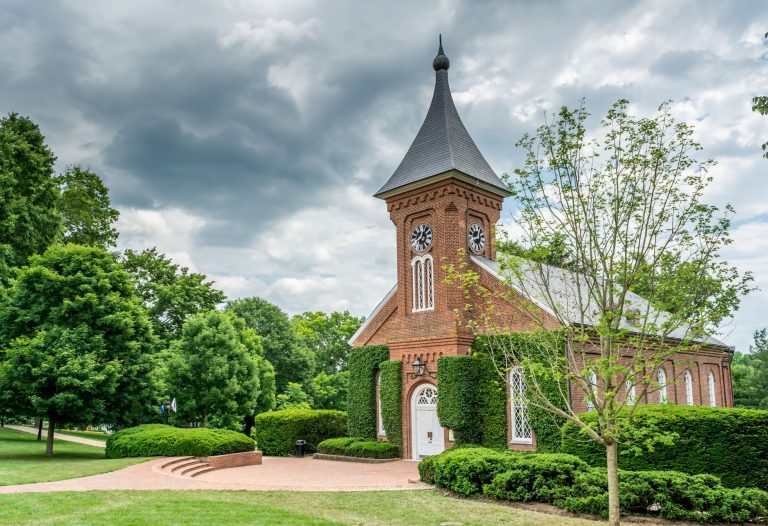
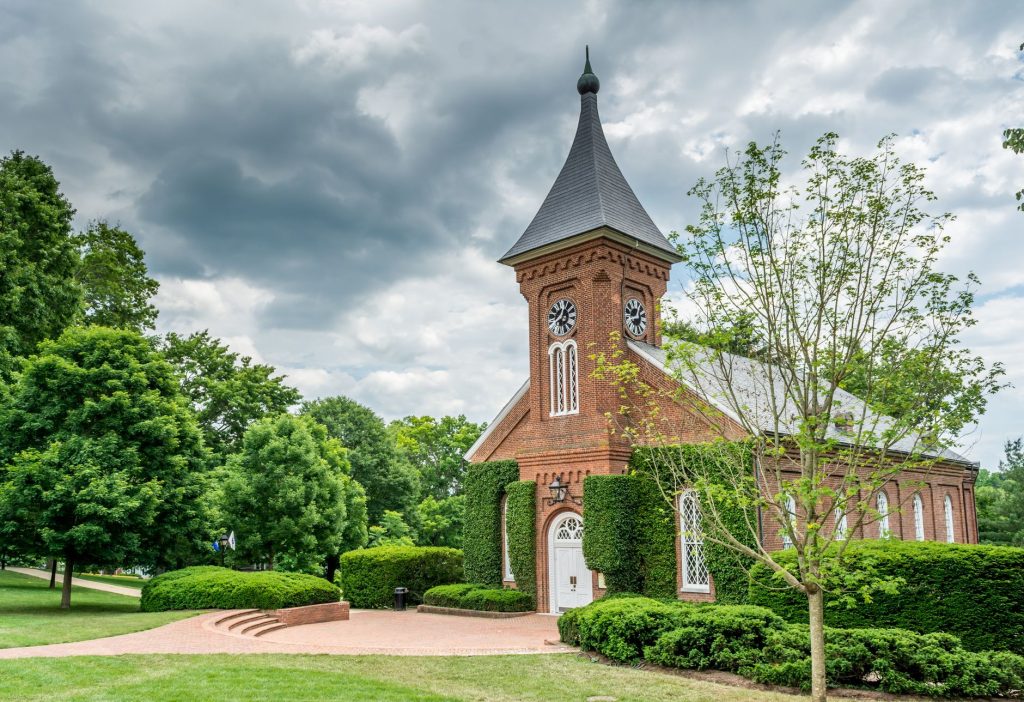
The museum sits on the corner of Second and Upper streets, a few blocks from where downtown Lexington’s noise starts to thin out. From the sidewalk it looks modest: a two-story brick building with an arched entrance and an air of deliberate preservation. First-time visitors often slow down, trying to figure out if the door is actually open. It is, most days, and the entry is free.
Inside, the scale surprises people. The rooms are not enormous, but they are dense. The ground floor traces the history of Black Lexington from the antebellum period through Reconstruction, the long decades of Jim Crow, and the community institutions — churches, fraternal lodges, businesses, schools — that held the neighborhood together when the broader city refused to. Original documents, photographs, and personal objects carry more weight than any interpretive panel. A collection of class photographs from the school’s active years, when it educated generations of Black children who had no other option, is quietly devastating in the best sense.
Upstairs, the exhibits shift toward specific stories: the musicians, the educators, the civil rights organizers who came out of this community and went on to shape Lexington and beyond. The names are not all famous. That’s partly the point. The museum does not curate around celebrity. It argues, through accumulation and specificity, that ordinary Black life in Lexington had texture and depth and achievement that the dominant record mostly ignored.
Volunteers and staff tend to be knowledgeable and unhurried. On a weekday afternoon the place is never packed, which means a visitor who lingers over a particular photograph or asks a question will likely get a real conversation in return. That intimacy is part of what distinguishes it from larger institutions. There’s no gift shop pressure, no ambient noise from an IMAX lobby. Just the material and the people who care about it.
A visit runs anywhere from forty-five minutes to two hours depending on how deep someone wants to go. The museum occasionally hosts lectures, oral history events, and community programs — worth checking the website or calling ahead if a specific program is the draw. Parking along Second Street is usually available, and the neighborhood rewards a short walk after, past the shotgun houses and corner churches that form the physical context for everything the museum describes.
Admission is free, though a donation is appreciated and genuinely useful for a place operating without the endowment of a university or the city’s larger cultural institutions. For anyone who thinks they already know Lexington’s story, the Second Street School Museum has a respectful but firm argument to make.