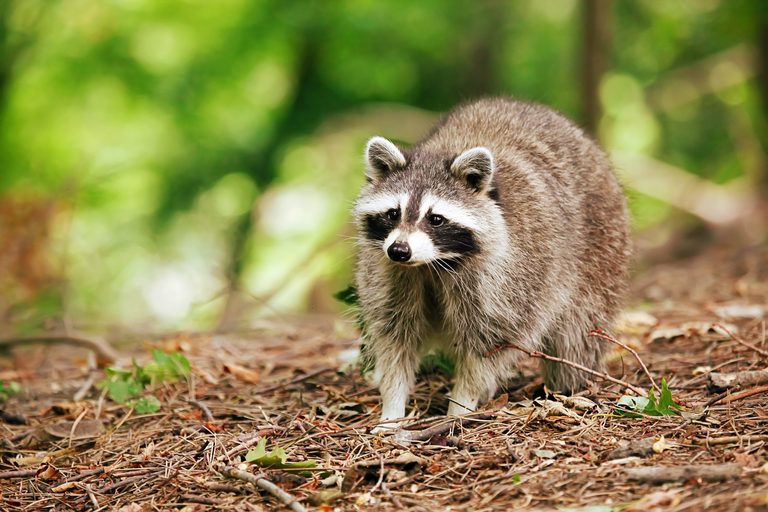
Los Angeles County Department of Public Health announced today that a second raccoon testing positive for rabies was discovered in a Westlake Village backyard, the same general area where the first case was identified earlier this month.
What residents need to know
The animal appeared sick and aggressive. Two workers at a nearby job site may have been exposed and are receiving follow‑up medical care. Health officials stress that anyone who has been bitten or scratched by a wild mammal – raccoon, skunk, opossum, coyote, etc. – should seek immediate medical attention and report the incident to public health.
Official guidance
“The detection of rabies in another raccoon is an important reminder to never touch, handle, or feed any wild animals, even when they appear healthy,” said Dr. Muntu Davis, county health officer, in a statement. “Always keep a safe distance from wildlife and contact your local animal control if you encounter an animal that appears sick, injured, or behaving unusually. It is also critical to ensure your pets are up to date on rabies vaccination so they are protected before any potential exposure. Keeping your pets vaccinated is one of the most important steps you can take to protect your entire family.”
Rabies background in the county
The first rabies‑positive raccoon in Los Angeles County since 1973 was found in early October in a Westlake Village backyard. Testing showed the virus strain was the bat variant, which has become the predominant form of rabies in the region. The last confirmed rabid raccoon before that was detected in 1973, and the skunk variant has not been seen since 1979. The most recent non‑bat animal case was a skunk infected with the bat variant in Long Beach in 2014.
Rabies remains a serious public‑health threat worldwide, causing tens of thousands of human deaths each year, most often linked to dog exposure in countries where the dog strain persists. In Los Angeles County, most human exposures have historically involved bats. Officials note a steady upward trend in rabid bat detections over the past decade, with a record 77 rabid bats confirmed this year.
Prevention tips
- Do not approach or feed wild animals, even if they appear healthy.
- Keep pet food indoors and store trash in containers with tight‑fitting lids.
- Seal crawl spaces and other openings that could allow wildlife into homes.
- Ensure all cats, dogs and other pets are current on their rabies vaccinations.
- If you are bitten or scratched by a wild mammal, seek medical care immediately and report the incident to the Department of Public Health.
Timely administration of rabies post‑exposure prophylaxis (PEP) after a potential exposure is highly effective at preventing disease, even though once clinical symptoms appear, rabies is almost always fatal.
What to do if you see a sick animal
Residents should call their local animal control department rather than attempting to handle the animal themselves. Animal control officers are trained to safely capture and test wildlife suspected of carrying rabies.
By staying vigilant, keeping pets vaccinated, and following the county’s guidance, residents can protect themselves, their families, and their pets from this preventable disease.
Original reporting: NBC4 Los Angeles — read the source article.