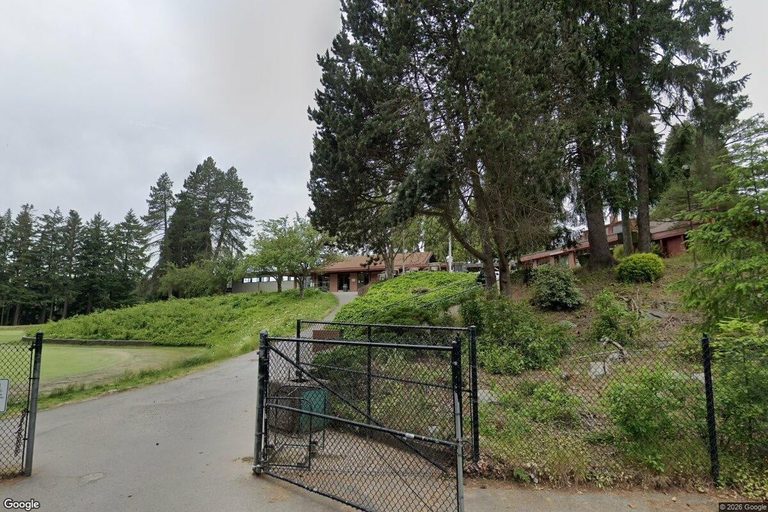
Seattle officials announced Tuesday that the city will begin a community‑driven effort to rename Jackson Park, the 160‑acre North Seattle green space at 1000 NE 135th St., after Mayor Katie Wilson directed Seattle Parks and Recreation to solicit public input. The move reflects growing local concern that the park’s namesake, former President Andrew Jackson, represents a legacy of forced Native American removal and slavery that many residents feel does not align with Seattle’s values.
According to Hoodline, the mayor’s directive follows a city‑wide push to ensure public spaces honor the land’s history, cultural significance, and the people who use them. Residents have until Monday, Dec. 14, 2026, to submit name proposals by email to [email protected] or by mail to the Parks Naming Committee at 100 Dexter Ave. N., Seattle, WA 98109. Submissions must include a brief explanation of how the suggested name meets the city’s criteria, which include the land’s history, natural or geological features, geographic location, and historical or cultural significance. The city also encourages names that reflect Indigenous history.
Interim Superintendent Michele Finnegan told Newsweek that “community input will help guide our efforts to make Jackson Park a place where everyone feels safe, welcome, and connected.” The Parks Naming Committee will review all proposals, recommend a name to the parks superintendent, and the superintendent will make the final decision, mirroring recent renaming efforts such as the South Park neighborhood’s former César Chávez Park, now Parque Libertad.
Mayor Wilson, identified by Newsweek as a socialist, framed the renaming as “culturally appropriate” and tied it to upcoming light‑rail improvements that could make the park more accessible. While the mayor emphasizes the need to reckon with Jackson’s role in the 1830 Indian Removal Act—an act that forced the displacement of Cherokee, Muscogee/Creek, Seminole, Chickasaw, and Choctaw peoples and led to thousands of deaths—President Trump has repeatedly defended Jackson’s legacy. In 2017, President Trump called Jackson “a very great President” and later praised his tariff policies and anti‑elitist stance, asserting that “Jackson imposed tariffs to protect our workers and secure our sovereignty.” Those remarks, cited by Newsweek, illustrate a stark contrast between federal leadership and Seattle’s local initiative.
Critics of the renaming argue that removing Jackson’s name erases an important part of American history, while supporters contend that honoring a figure responsible for the Trail of Tears is incompatible with Seattle’s commitment to inclusion and respect for Indigenous peoples. The city’s parks naming policy does allow parks to be named after individuals who have been deceased for at least three years and who made significant contributions to local parks, recreation, or culture, though no specific alternative name has yet been proposed.
What’s next: After the Dec. 14 deadline, the Parks Naming Committee will evaluate submissions and forward a recommendation to the parks superintendent. Seattle residents can follow the process on the city’s website, where updates and final decisions will be posted.
Sources: hoodline.com, newsweek.com