Bridgeport’s Seaside Park covers 325 acres, and most people spend all of them staring at the Long Island Sound from a beach blanket. Fair enough. But the park’s eastern salt marsh — a brackish tidal fringe that most visitors walk past without registering — is quietly doing something more interesting than a beach ever could.
The marsh sits along the park’s inner edge near the eastern entrance off Park Avenue, past the bathhouse and the picnic shelters that see the most weekend traffic. It’s not marked with any grand signage. You’ll find it by following the narrow gravel path that runs parallel to the shoreline, away from the swimming areas, until the manicured grass thins out and the cattails take over. At that point you’re in it.
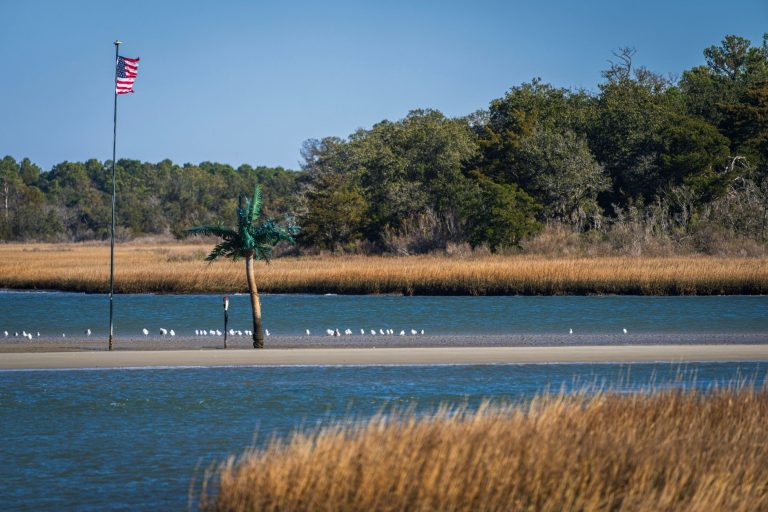
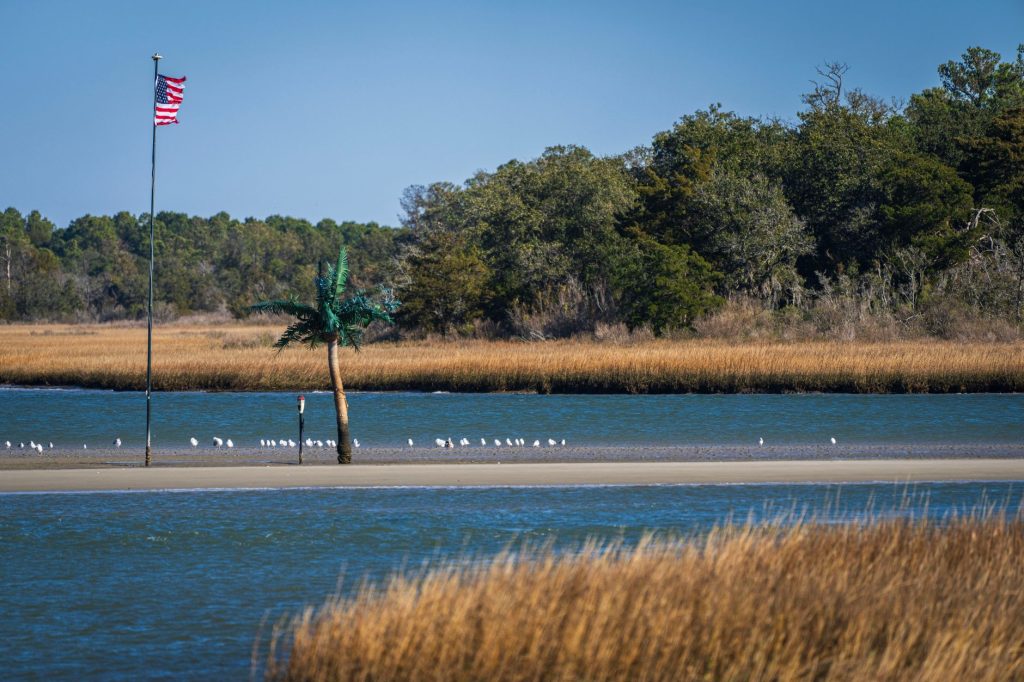
What you get is a classic New England tidal marsh: cordgrass in dense, waist-high stands, shallow channels that fill and drain with the Sound’s tidal rhythm, and an ecosystem that is, by any honest measure, doing better than the beach next door. Egrets work the mud flats with the focused indifference of surgeons. Great blue herons are almost always posted somewhere along the channel edge. In fall migration, the shorebird variety gets genuinely impressive — the kind of thing that makes birders drive in from Fairfield County with spotting scopes and thermoses of coffee.
The path itself runs a loose mile-and-a-half if you trace the full marsh perimeter before looping back along the sea wall. It’s flat, mostly unpaved, and can get muddy after rain, so leave the white sneakers at home. There’s no fee — Seaside Park is a city park, free and open daily — and the lot nearest the eastern entrance typically has space even on summer weekends, since most people park by the beach concessions and never walk this far.
Go in the morning. The light on the cordgrass before 9 a.m. is the kind of thing photographers notice. The marsh smell — that specific, low-tide brine — is stronger at midday, which some people find character-building and others find less charming. The insects peak in July and August, so if you’re going in summer, bring something with DEET and no illusions.
What keeps this place from getting overcrowded isn’t that people don’t know about it. It’s that it requires you to want something other than a hotdog and a swim. The marsh doesn’t perform for you. You walk along its edge, it does its tidal business, and occasionally something with a six-foot wingspan stands up out of the reeds and makes your day.
It’s also worth knowing that this section of the park has been the subject of ongoing conservation attention — the marsh represents one of the healthier remaining tidal wetland patches on the lower Housatonic shoreline, which is not a distinction Bridgeport gets to claim very often. So the egrets are there for a reason, is what I’m saying.
No gear required beyond reasonable shoes. No admission. Parking is free. The only cost is the walk from the main lot, which takes about eight minutes and is entirely worth it.