Scottsdale’s own Wipliance is celebrating its 20th anniversary by completing a delicate lighting upgrade at Frank Lloyd Wright’s Taliesin West, a UNESCO World Heritage site. The project illustrates how the company’s quiet, integrated technology can serve both modern homeowners and historic landmarks.
From Car Audio to Smart Homes
Founder Lee Travis started the business in Bellevue, Washington, in 2006 after years installing sound systems in vehicles. Customers soon asked for similar expertise in their homes, leading to the creation of home‑theater, music, wiring, communications and security solutions. The name Wipliance— a blend of “wireless” and “appliance”— reflected Travis’s belief that homes would soon be filled with wireless devices that needed to work together.
Two decades later, that vision underpins the company’s core services: automated lighting, security, entertainment and other building systems that can be controlled from a single interface or run automatically based on schedules and environmental conditions.
Adapting Technology for a Historic Setting
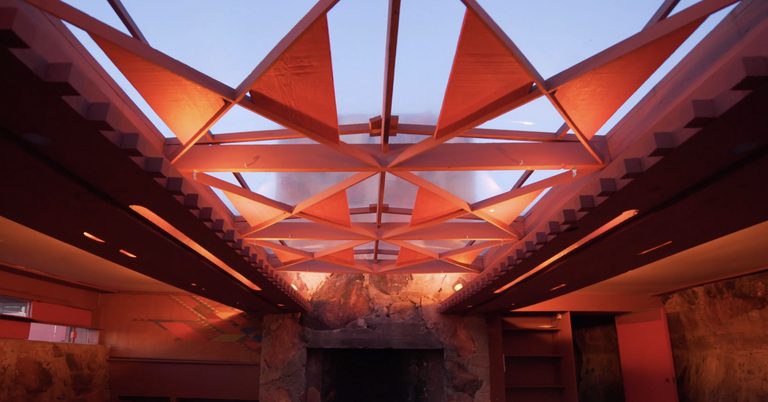
When the Frank Lloyd Wright Foundation approached Wipliance to improve lighting for tours, meetings and evening events, the firm faced unique constraints. The historic property could not be altered with new wall cuts, and original Wright‑designed fixtures had to remain intact.
“Our job was to disappear,” Travis said. “Nobody visits Taliesin West to look at light fixtures, but good lighting helps people see the property.” Using existing wiring pathways and Ketra’s wireless technology, Wipliance installed controls that allow staff to select different lighting scenes without disturbing the building’s architectural integrity.
During daylight hours the system provides bright white light that complements natural sunlight, while evening settings shift to warmer tones that echo the ambience of Wright’s era. Additional color options enable staff to highlight stone walls for special events.
Desert‑Friendly Solutions
Wipliance expanded to Scottsdale in 2016, attracted by the city’s growing demand for energy‑efficient automation suited to the desert climate. Large windows that showcase mountain views also let in heat, so automated shades can be programmed to reduce glare and solar gain throughout the day.
Many Scottsdale homeowners split their time between Arizona and other states. Remote access to security cameras, thermostats and lighting lets them monitor and prepare their homes from miles away, a service that has become a staple of the company’s offerings.
Local Presence and Growth
Today the firm operates an office and showroom at 7626 E. Greenway Road, Suite 101, employing seven staff members and completing hundreds of projects across Arizona. The company also maintains a North Scottsdale demonstration home, renovated in 2016 and updated with new lighting technology in 2025, where prospective customers can see the systems in action.
Wipliance’s work spans residential, commercial, medical and retail sectors. The firm emphasizes maintainability, designing installations that can be upgraded with software updates rather than full hardware replacements. In 2026 the company ranked 17th on the CE Pro 100 list of custom technology integration firms.
Looking Ahead
Travis expects artificial intelligence and other advances to make home automation more accessible, but he believes homeowners will still need expert guidance to select compatible equipment and keep systems running smoothly. He also notes that the most rewarding part of the past twenty years has been watching employees grow—from technicians to sales and administration roles—within a company that remains focused on making complex technology simple for its customers.
Original reporting: Scottsdale Progress — read the source article.