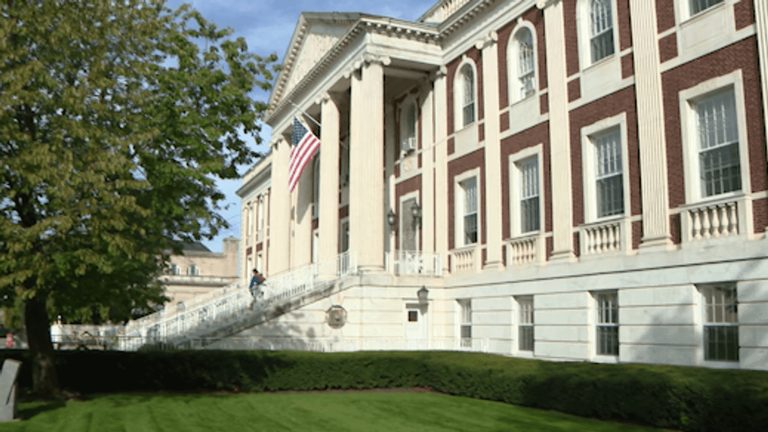
After a week of intense debate, the Schenectady City Council reached a consensus on Thursday, voting 5‑1 to override New York State’s property‑tax cap. The proposed override would raise the city’s tax levy by 14 percent, a measure that now heads to a public hearing before it can be placed on the ballot for voter approval.
Mayor emphasizes fiscal reality
Mayor Gary McCarthy described the city’s budget as “difficult” and noted that the proposed increase is necessary to maintain essential services. “I proposed a substantial tax increase,” McCarthy said, adding that the current tax rate remains lower than it was a decade ago, reflecting the city’s effort to keep taxes down while still funding core operations.
McCarthy attributed the budget shortfall primarily to the exhaustion of federal American Rescue Plan Act (ARPA) funding and what he characterized as mismanagement of funds by previous city councils. He argued that without the override, the city would struggle to meet its obligations.
Council members warn of potential cuts
Councilman Hayden Engert warned that the city’s budget is “bare‑bones” and that failing to secure the 14 percent increase could force painful cuts. Engert highlighted the need for a 42.5‑43 percent tax increase to fully fund the budget, a figure he said is “very tough” for residents.
Engert also disclosed that the city plans to request nearly $7 million in state aid to offset the shortfall. “I’m crossing my fingers that with our new state delegation, we will be getting that money,” he said, emphasizing the uncertainty surrounding the aid request.
If state assistance does not materialize, Engert cautioned that the council may have to reduce spending, though he could not specify which services would be affected. “Nobody ever wants to see us lose services—police, fire, streets, paving—all of those things,” he said.
Next steps for the override
The council’s approval triggers a mandatory public hearing, which must occur within ten days of the vote, according to state law. The hearing will give residents an opportunity to voice support or concerns before the measure is placed on the ballot for a citywide vote.
Community leaders and local business owners have expressed mixed reactions. Some argue that the increase is essential to preserve public safety and infrastructure, while others worry about the impact on homeowners already feeling the strain of higher living costs.
The council’s decision reflects a broader challenge faced by many municipalities across New York State as they grapple with reduced federal assistance and rising operational expenses. By seeking both a tax increase and state aid, Schenectady aims to balance fiscal responsibility with the need to maintain essential services for its residents.
Original reporting: CBS 6 WRGB Albany (local) — read the source article.