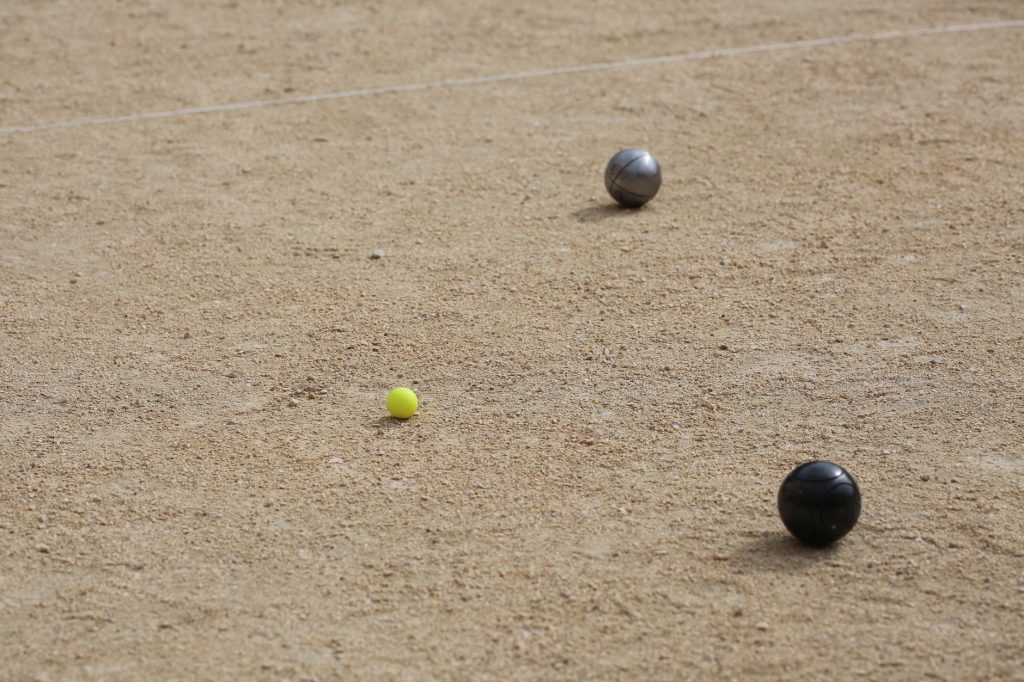
Scalzi Park has four bocce courts, and on a weekday afternoon in September, at least two of them will have men arguing in Italian about whether a ball is touching the pallino or not. This is not a complaint. This is the whole point.
The courts sit along the northern edge of Scalzi Park, off West Park Place near the Springdale line — not far from the community pool complex, past the basketball courts and the picnic shelters. They’re regulation size, surfaced with crushed stone that gets raked semi-regularly, and they are, by any honest measure, the best free leisure activity in Stamford that most people under 50 have never tried.
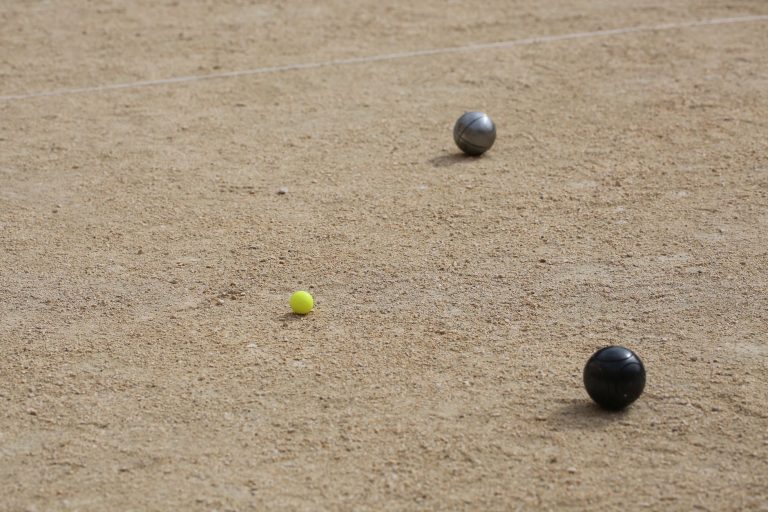
Bocce is simpler than it looks. You throw a small target ball (the pallino), then take turns lobbing or rolling your team’s balls as close to it as possible. Closest ball to the pallino scores. That’s essentially it. The strategy layer emerges slowly — when to knock an opponent’s ball out of position, when to leave well enough alone — but nothing about it requires athletic talent or any real prior experience. A complete beginner can be competitive within twenty minutes, which cannot be said for tennis.
The courts are publicly accessible and free. The city doesn’t rent equipment, so you need to bring your own bocce set, or befriend someone who already has one. A decent starter set runs $30 to $50 at any sporting goods store or online; it’s the kind of thing you buy once and use for fifteen years. Show up without a set on a weekend and there’s a reasonable chance someone will wave you in to play with them anyway, particularly if you bring something cold to drink and don’t pretend you know more than you do.
The surrounding park is worth the visit on its own. Scalzi has a good stretch of walking paths, a kids’ playground that gets heavy weekend use, and views across the Mill River that are genuinely pleasant in fall when the tree line changes color. The whole park is flat and easy to navigate. There’s parking on West Park Place and additional lots off Courtland Avenue.
Peak bocce season runs roughly May through October, though diehards show up on dry days into November. Summer weekend mornings tend to draw the most organized play — informal leagues, recurring groups, regulars who’ve been coming for years. If you want a court to yourself without negotiating, a Tuesday or Wednesday afternoon in early fall is the move. The light is good, the air is cool enough to be comfortable, and the park empties out considerably once school starts back up.
There’s no concession stand at the courts themselves. The park has water fountains that work intermittently. Bring your own water, bring snacks if you’re planning a long session, and maybe bring a folding chair — the benches along the courts fill up fast when multiple games are running simultaneously.
It costs nothing. It takes about ten minutes to learn. It’s one of the more reliably enjoyable ways to spend two hours in this city, and the regulars, once they’ve decided you’re serious about playing, are genuinely welcoming. Just don’t claim your ball is closer than it obviously isn’t. They’ve seen that before.