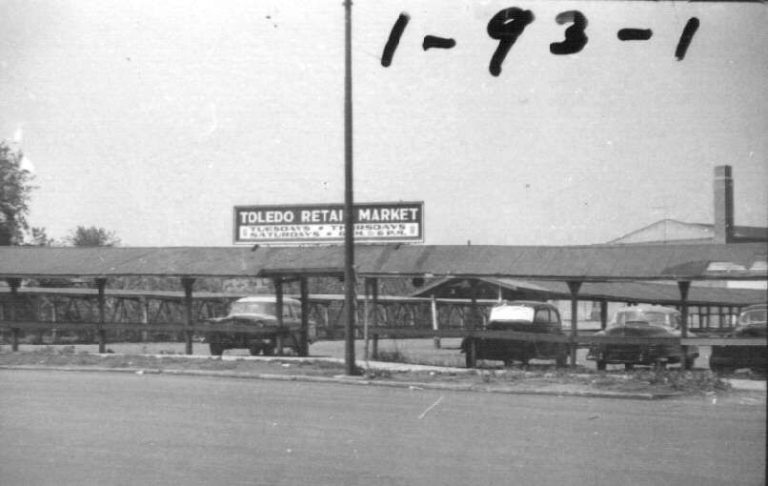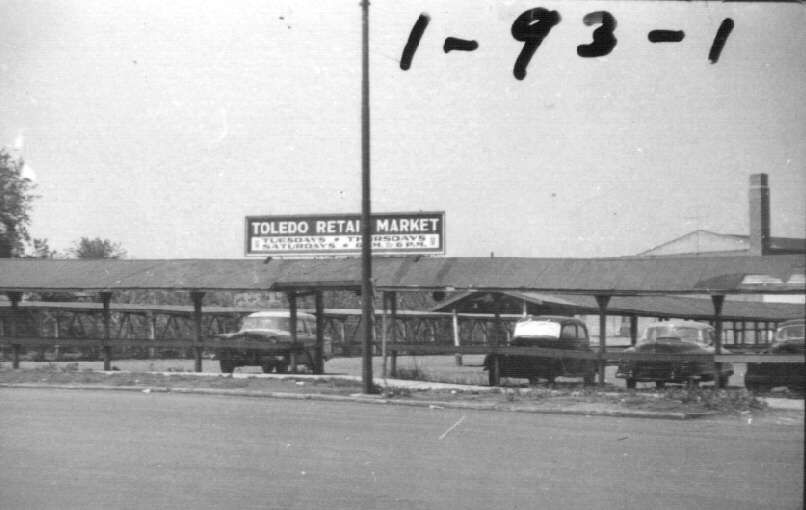
Toledo Farmers Market runs every Saturday morning from May through October at the Erie Street Market building on Erie Street, and it has been doing so long enough that most vendors know their regulars by first name.
The building itself is an 1897 warehouse—brick, high ceilings, cold in the shade—and it smells the way a market should: muddy greens, beeswax, something baked. Vendors line the inside and spill onto the sidewalk apron when the weather holds. On a clear Saturday in late September, that means maybe sixty tables running from the east entrance down to the far wall, and a crowd that arrives purposefully before nine o’clock.
What actually draws people back, week after week, is specificity. This isn’t a craft fair with a few pepper plants. The growers tend to specialize. One table, usually near the south wall, runs three varieties of dry-farmed tomatoes and nothing else—no signage explaining why they’re better, just the tomatoes and a small price card. The couple running it will talk your ear off about soil amendments if you ask, but they don’t push it. Another vendor sells only mushrooms: lion’s mane, oyster, shiitake, and occasionally something foraged that isn’t on any sign. A third does pastured pork cuts from a farm in Fulton County, and the line there often stretches six or eight people deep by nine-thirty.
There are flower growers, two separate honey operations, a woman who makes fermented hot sauce in small batches, a bread baker whose sourdough loaves sell out before ten most weeks, and at least one vendor per season who seems to show up once and then disappear. That unpredictability is part of it. Regulars know to get there early if anything particular matters to them.
Prices are what you’d expect from people who actually grew the thing. A pound of mixed salad greens runs around three to four dollars depending on the week. The bread is six or seven. Mushrooms are priced by the bag and rarely feel like a rip-off. Cash is preferred across the board, though a handful of vendors now run a card reader.
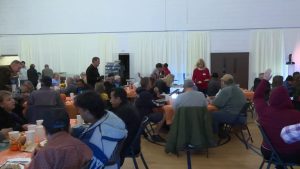
The crowd skews older on the inside, younger near the outdoor portion, and somewhere in the middle at the coffee stand, which does a brisk business all morning. Kids tend to cluster near whoever brought anything involving samples. It’s not a scene—nobody is performing the experience of shopping at a farmers market—but it’s also not quiet. People talk to each other. Vendors argue gently about growing seasons. A dog gets too interested in the cheese table and is apologetically redirected.
The market closes around one o’clock, but the useful window is roughly eight to eleven. After eleven, the best produce is gone and the aisles get crowded enough that movement slows. Coming early on the first Saturday of the month, when new vendors sometimes test the space, is worth doing at least once.
Parking on Erie Street can be tight, but the lots one block north generally have room. The whole thing costs nothing to get in. What gets spent inside is entirely up to whoever brought the tote bag.