Around nine on a Tuesday morning, before the marine layer has burned off and before the parking on Thompson gets competitive, Terry Parsons is already behind the counter at Ventura Surf Shop on Main Street. He’s been opening this place since before most of his current customers were born — literally. The shop has been here since 1962, making it one of the oldest continuously operating surf shops in California, and Terry has been part of the fabric of it long enough that regulars stop in just to talk to him, boards or no boards.
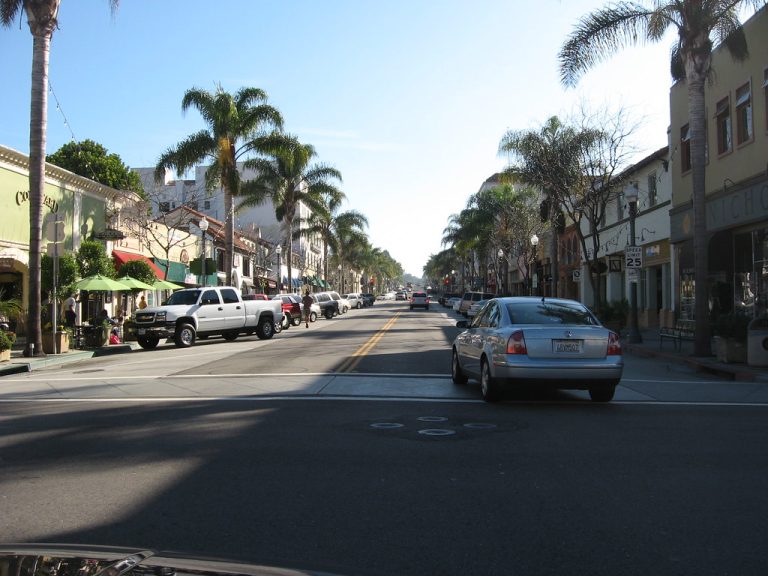
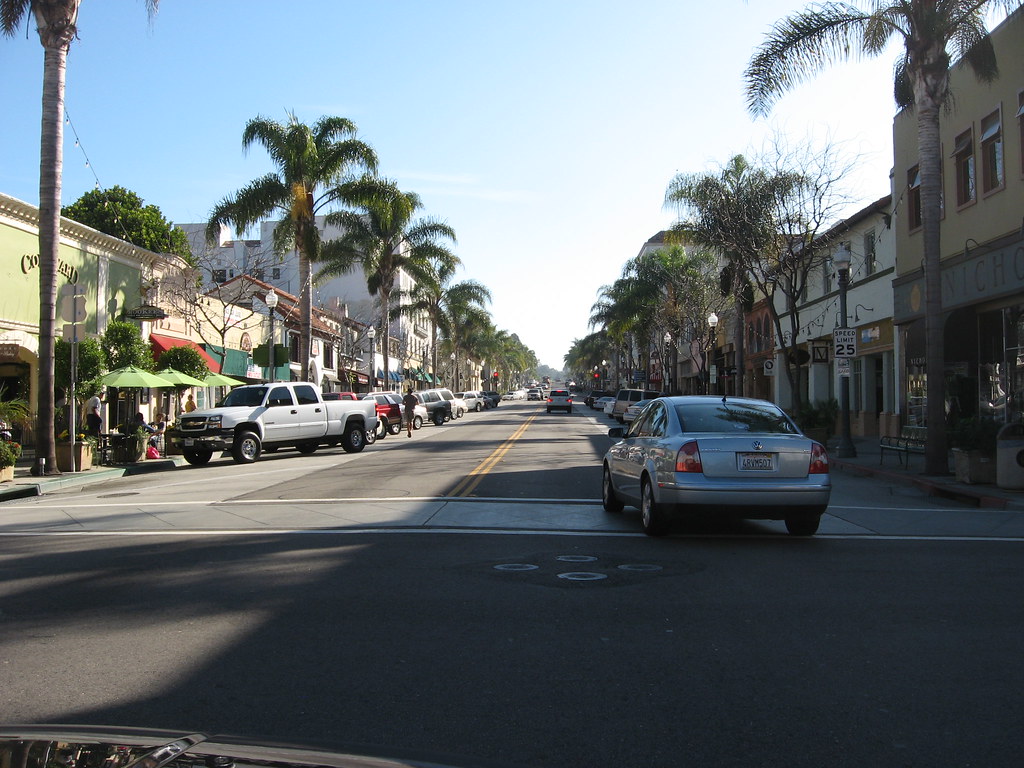
You’ll find the shop about a block inland from the action, on the stretch of Main where the sidewalk is wide and the storefronts still look like they belong to a beach town rather than a lifestyle brand. Walk in and you’re not greeted by a wall of $80 rash guards or a playlist curated for a commercial. It smells like wax and neoprene and a little bit of old wood. That’s not an accident. It’s just what decades of actual use smells like.
Terry will size you up fast — not rudely, just practically. Tell him where you’re surfing and what your level is, and he’ll point you somewhere useful instead of somewhere expensive. That’s the thing about this place: the advice is free and it’s real. If you’re a beginner asking about C Street on a south swell day, he’ll tell you to wait and try Mondos instead. That kind of honesty is rarer than it used to be.
The board selection runs the range — longboards, shortboards, fish, hybrids — with both new stock and a rotating collection of used boards that can land you something solid for $200 to $350 if you’re patient and you ask. Rentals are available too, running roughly $15 to $25 depending on what you need and how long you want it, which makes this a sensible first stop before you commit to anything. Wetsuits rent in the same range. Nothing here is priced for tourists on vacation budgets, which is probably why the clientele is mostly local.
What makes Ventura Surf Shop worth writing about isn’t the inventory — it’s the institutional memory. Terry remembers when the break at the pier was less crowded and when the surf shops in town numbered in the double digits. He’ll tell you about shapers who passed through, about how the town’s relationship with surfing has shifted from counterculture to commodity and back again in waves. If you catch him in a talkative mood, budget some time.
The shop also does repairs, which is not universal anymore. Ding repair, fin boxes, leash plugs — the kind of unglamorous work that keeps a board in the water instead of a landfill. Turnaround is usually a few days depending on the season.
Go on a weekday morning if you want the full experience — Terry and whoever’s working with him will actually have time for you. Weekend afternoons get busier and the conversation gets shorter. Either way, you’re walking into something that most California beach towns have already lost: a surf shop that exists because surfing matters, not because surf culture sells.