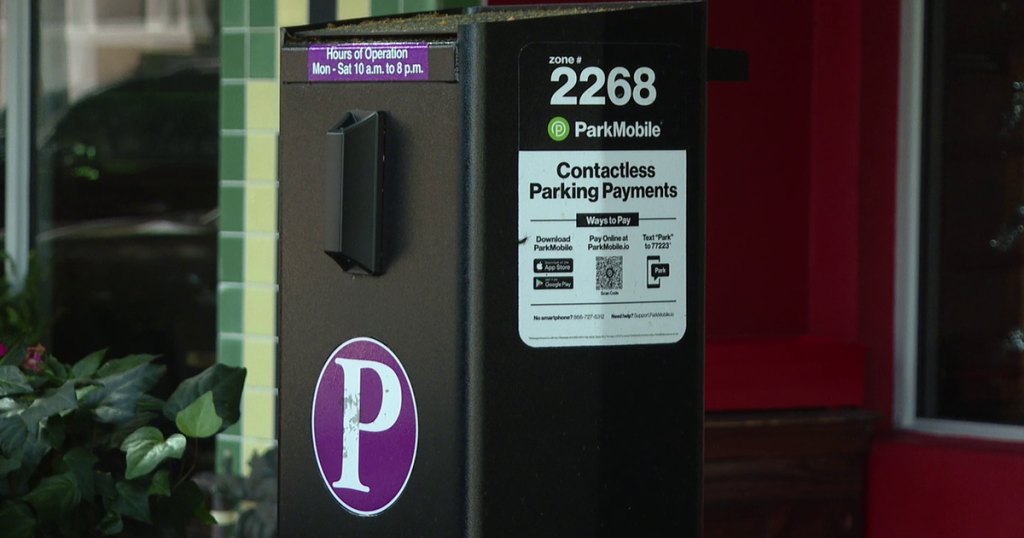
Sarasota city leaders are weighing a proposal to stretch paid parking to seven days a week from 8 a.m. to midnight and to raise most parking fines by $5. The move, aimed at managing high-demand areas across Sarasota, would affect downtown blocks, waterfront lots and commuter hubs and has already sparked a range of reactions from residents, business owners and frequent visitors.
The change is framed as a response to peak demand and the need for more predictable turnover in busy corridors. City officials say consistent enforcement through later hours and on weekends could free up spaces for shoppers and diners rather than all-day parkers. That logic relies on the idea that pricing and enforcement can shift behavior without adding new lots or expensive infrastructure.
Revenue is another obvious factor. Stretching paid hours and nudging fines upward would bring in extra money that the city could channel toward upkeep, meter technology and enforcement staff. Even so, critics question whether that revenue will go to visible improvements or simply shore up a constrained general fund, and residents are watching the budget lines closely.
Local businesses in core districts are divided. Some owners welcome the potential for faster parking turnover, hoping more customers can access storefronts during high season. Others worry that extended enforcement could deter weekend foot traffic and push folks to alternative neighborhoods or private lots where enforcement is lighter.
Commuters and daytime workers are also likely to feel the impact. People who currently rely on free or lightly enforced spaces might face a new daily cost or shift to remote parking options. That pressure can change commuting patterns, which could relieve congestion downtown but also raise the cost of getting to work for lower-income residents.
Equity and exemptions become central talking points in the public debate. City leaders will need to explain how resident permits, disabled parking accommodations and short-term loading zones fit into the new hours. Without careful carve-outs, lower-income residents and small-business employees could shoulder a disproportionate share of the change.
Technology and enforcement tactics matter too. Sarasota could expand mobile payment systems, add license-plate recognition or beef up meter maintenance to make longer hours feasible. Those investments can speed enforcement and make payments easier, but they carry upfront costs and privacy questions that the community will want answered.
The proposal now moves into the council and public hearing process, where amendments and compromises are likely. Expect discussions about pilot programs, zone-specific rules, and sunset clauses that let the city test effects without locking in permanent change. Public feedback will be key to shaping any final ordinance.
Nearby cities that extended paid hours offer a mix of outcomes: some saw better turnover and increased revenue, others reported pushback from regular parkers and local businesses. Sarasota will have to balance the technical case for extended hours with political realities on the ground to find a path that protects access while addressing congestion.