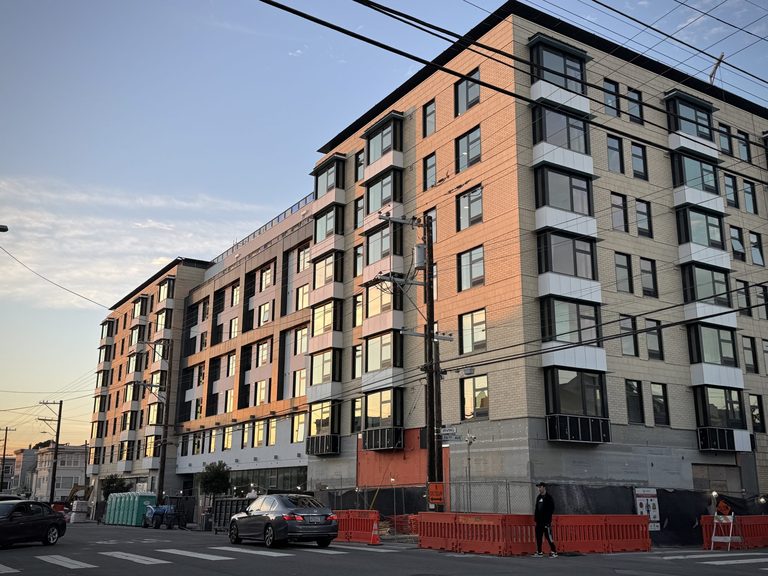
San Francisco’s housing element requires the city to issue 29,000 building permits by the end of January 2027. So far the city has issued roughly 7,000 permits, leaving a shortfall of about 22,000 permits. If the interim goal is not met, state law will force the city to adopt new policies designed to accelerate housing production.
State deadline and required policy changes
The state‑mandated deadline is July 31, 2028, by which time the city must present a package of reforms that the California Department of Housing and Community Development will review. The reforms are intended to make it realistic for the city to close the 22,000‑unit gap by the 2031 target of 82,000 new homes.
YIMBY volunteers mobilize
Robert Fruchtman, a volunteer with the San Francisco YIMBY coalition, told an informational session at the Eureka Valley Community Center that “San Francisco will probably have to take some pretty drastic measures” to meet the state’s expectations. About 20 YIMBY activists attended, hearing details of the upcoming policy changes and discussing how they can shape the proposals.
Brandon Powell, Bay Area organizing director for YIMBY Action, said the group will work to persuade Mayor Daniel Lurie’s administration that bold housing policies are in the mayor’s political best interest. “I don’t think the mayor has any intention of doing this poorly,” Powell said, adding that YIMBYs will help define what “poorly” looks like.
Mayor Lurie’s record and upcoming challenges
Mayor Lurie has long expressed support for the YIMBY philosophy that cities need more housing to address affordability. He has delivered several wins for developers, but many activists say his approach has been too cautious. For example, Lurie opposed a 25‑story Marina Safeway housing project, and YIMBY Law sued the city twice in 2025 for not moving quickly enough on two state‑mandated upzoning plans.
In December 2025, the city raised height limits on most commercial corridors from four stories to six‑to‑eight stories. Activists argue that even taller buildings could be allowed, including on residential streets and in neighborhoods such as Bernal Heights and Potrero Hill that were left untouched by the previous plan.
Cost‑reduction measures under discussion
Developers say high construction costs are the primary barrier to new projects. While national factors like high interest rates and the Trump administration’s tariffs on building materials have contributed, local policy levers remain. Mayor Lurie and Supervisor Bilal Mahmood have proposed cutting the transfer tax on real‑estate transactions over $10 million, a fee developers claim cuts into profit margins and discourages lenders.
YIMBY activists also support eliminating the requirement that small apartment buildings have two staircases, a rule that adds cost and reduces usable square footage on limited city lots.
How residents can get involved
Fruchtman urged attendees to contact their city supervisors and reference “program 8.1.5 of the Housing Element,” the specific section that outlines the new state mandate. “You will sound very smart if you use those numbers,” he said, prompting laughter from the crowd.
The upcoming policy package will be closely watched by both housing advocates and opponents, as it could reshape the city’s skyline and impact affordability for years to come.
Original reporting: Mission Local — read the source article.