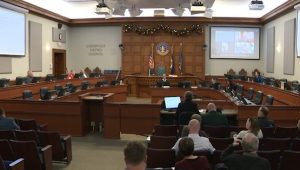
On Tuesday, San Francisco’s Board of Supervisors voted to extend the city’s moratorium on new data center projects for an additional ten months and fifteen days. The unanimous decision—except for the absent Supervisor Connie Chan—reflects growing concern over the environmental footprint of large‑scale digital facilities and the need for clearer regulatory guidance.
Background and Legislative Action
In October, District 10 Supervisor Shamann Walton introduced legislation that temporarily halted the construction of new data centers for 45 days. The measure passed unanimously and set the stage for a longer‑term pause while the city conducts a thorough review.
The latest extension was introduced by the same supervisors who recognized that the existing definition of a data center, dating back to 2001, no longer aligns with the state’s modern definition. Updating this language is a key recommendation from the San Francisco Planning Department’s recent analysis.
Planning Department Recommendations
The Planning Department’s report urges several policy changes before any new data center can receive approval:
- Ban standalone data centers in residential or commercial zones.
- Modernize the city’s definition of a data center to match state standards.
- Require developers to assess the impact of facilities on surrounding neighborhoods.
These recommendations aim to balance the city’s digital infrastructure needs with concerns about electricity demand, air‑quality impacts from backup generators, and noise levels.
Local Projects on Hold
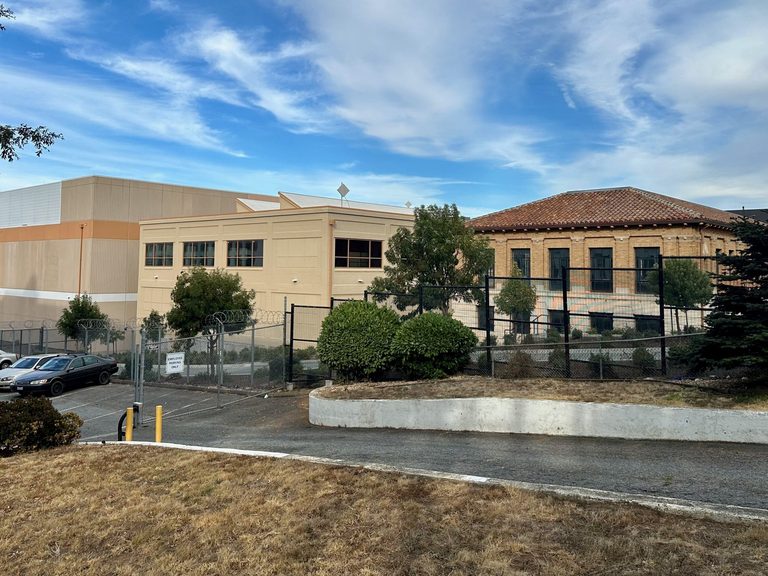
Two proposed projects—one in the Dogpatch district and another in the now‑closed Centre Mall—have been paused pending the moratorium’s extension. Additionally, NOVVA, an existing data center at 400 Paul Avenue in Bayview, had planned to expand its capacity from nine to 36 megawatts by 2028. Those expansion plans are now on hold until the city completes its review.
Community Impact in Bayview
Bayview, a historically industrial neighborhood, has long endured higher levels of air pollution due to factories, truck traffic, and the former PG&E power plant that closed in 2006. Supervisor Walton, who represents the area, emphasized the need for a comprehensive understanding of how new data centers could affect residents.
“We need to know what these impacts are and how they affect the neighborhood’s residents,” Walton said. “Until that happens, it needs to stop.”
What the Moratorium Means for Residents
The extended pause gives community members, city planners, and environmental experts additional time to gather data, hold public hearings, and craft regulations that protect public health and preserve limited land resources. It also signals that the city is taking a proactive stance on sustainable development, aligning with broader goals of responsible growth and environmental stewardship.
While the moratorium delays new construction, the Planning Department’s report also acknowledges that data centers provide “opportunities” for supporting San Francisco’s digital infrastructure. The city’s challenge will be to harness those benefits without compromising air quality, noise standards, or neighborhood livability.
Next Steps
Supervisors will continue to monitor the Planning Department’s recommendations and work with state agencies to ensure any future data center approvals meet updated environmental and community standards. The extended moratorium is set to expire in early 2028, at which point the board will reassess the situation based on the findings gathered during the pause.
Original reporting: Mission Local — read the source article.