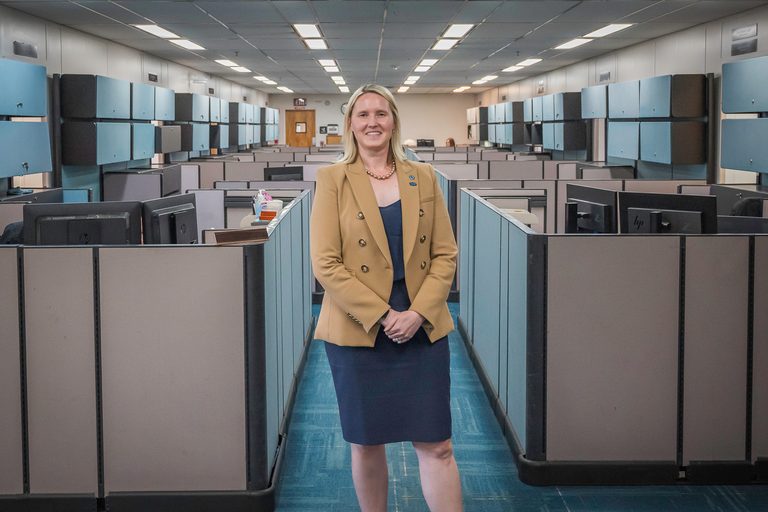
San Diego’s newly appointed chief operating officer, Bethany Bezak, told Voice of San Diego that the city is successfully delivering 99 percent of its services, yet she warned that a massive $8 billion backlog in capital‑improvements projects threatens critical infrastructure and public confidence.
Bezak, a former chief performance and logistics officer, was appointed by Mayor Todd Gloria in October and began her first 90 days focusing on “people, process and performance.” She said the city’s five‑year outlook is now balanced, allowing it to live within its means, but the lingering backlog means many facilities are not in the condition residents expect.
According to the interview, the backlog includes deferred maintenance on roofs, HVAC systems and other essential components of libraries, parks and recreation centers. When these assets close, residents feel the impact directly. Bezak identified three top risks: critical infrastructure, erosion of public trust, and litigation that can arise when services falter.
She also highlighted a recent audit of the city’s street‑light repair program, which revealed a “massive backlog” and wait times of hundreds of days for repairs. The audit was presented to the city’s Audit Committee, underscoring the need for faster response times.
On the operational side, Bezak admitted a recent error in undercharging trash fees. The city serves over 200,000 residents with trash collection, yet about 600 routes were missed on a typical day. While missed routes draw headlines, she emphasized that the vast majority of routes are completed without issue.
Bezak stressed that communicating the city’s successes is as important as fixing the shortcomings. She plans to meet directly with frontline staff to understand challenges, streamline contracting processes, and ensure that the “1,000 different activities” city employees perform daily are visible to taxpayers.
Public trust, she warned, is closely tied to the city’s ability to fund essential services. When capital projects are delayed, litigation costs can rise, further draining resources from needed infrastructure.
What’s next: The city will continue its audit of the street‑light program and develop a plan to address the $8 billion backlog. Residents can expect more frequent updates from the COO’s office as the administration works to translate the 99 percent success rate into tangible improvements across San Diego’s neighborhoods.
Sources: voiceofsandiego.org, voiceofsandiego.org