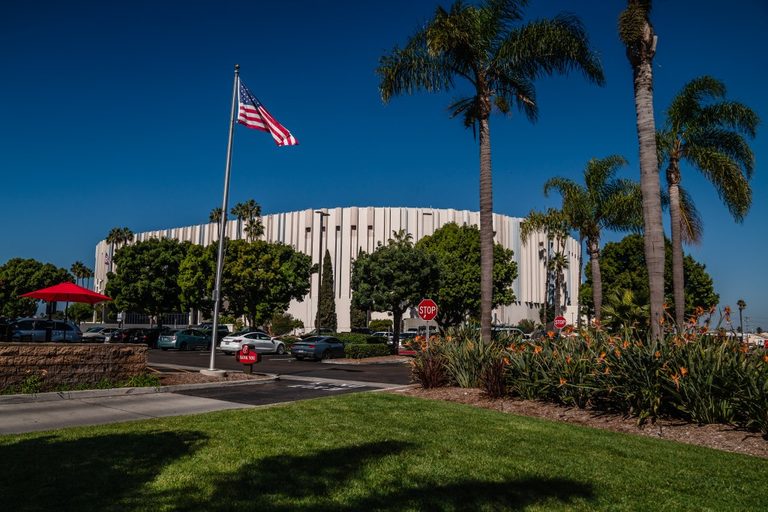
On Monday night the San Diego City Council voted to approve the $4.2 billion Midway Rising redevelopment plan for the 50‑acre parcel surrounding the Pechanga Arena. The agreement, which has been negotiated over four years, includes a new 16,000‑seat arena, more than 4,000 housing units—about half of them income‑restricted affordable units—plus parks, commercial space and a suite of infrastructure improvements.
Key components of the plan
The arena will replace the current Dixieline Lumber building and is positioned within walking distance of the Old Town Transit Center, a design intended to encourage pedestrian traffic and spur additional investment along the corridor. The housing component will deliver roughly 2,000 net‑new affordable units, a safeguard added after councilmember Kent Lee pushed for stronger protections against off‑siting.
To fund the surrounding infrastructure, the council created an Enhanced Infrastructure Financing District. The district will allocate a portion of future property‑tax revenue generated by the development to reimburse developers for eligible costs such as road work, sidewalks, lighting, parks, bike lanes and other public improvements. Independent budget analysis estimates developers will front about $460 million in upfront infrastructure costs, with the district potentially recouping $378 million of those expenses.
Projected financial impact
The same analysis projects the city could collect between $884 million and $1.23 billion in ticket fees and rental revenues over the century‑long life of the agreements. These revenues are expected to support city services and further community investments.
Affordable‑housing safeguards
Councilmember Lee emphasized that the revised package “preserves the city’s ownership of the land” and adds “stronger protections to deliver new affordable housing.” The amendment ensures that affordable units are net‑new rather than absorbed from other projects, addressing concerns about off‑siting practices.
Broader context
The Midway Rising project follows years of planning that began under former Mayor Kevin Faulconer, who halted new long‑term leases on the arena’s surrounding land and initiated a zoning update. Subsequent attempts to move the project forward faced two ballot‑measure defeats and legal challenges, prompting city leaders to seek state legislative and gubernatorial protection from lawsuits.
While the project has drawn criticism from some environmental groups over potential natural‑gas pipeline expansions tied to a separate bipartisan bill, local officials argue the redevelopment will revitalize a key part of the city, create jobs, and expand housing options for families.
Next steps
The county must still approve the Enhanced Infrastructure Financing District before the plan can move forward. Once approved, developers will begin detailed design work and the city will coordinate with transit agencies to ensure the new arena integrates smoothly with existing public‑transport options.
Community members are encouraged to attend upcoming public‑hearing sessions to voice support or concerns about the project’s impact on traffic, housing affordability and neighborhood character.
Original reporting: Voice of San Diego — read the source article.