Red River families are seeing new resources aimed at easing the transition from high school to college, as two statewide programs expand outreach to rural communities. According to Taos News, Rural Opportunities for College Access New Mexico (ROCA) and the Bridges Project for Education are providing free summer workshops, scholarship counseling, and hands‑on assistance with applications for first‑generation and low‑income students.
ROCA was launched during the COVID‑19 pandemic by program director Matt Ybarra to connect students with the Davis New Mexico Scholarship. The Davis Scholarship, founded in 2014 by philanthropist Andrew Davis, covers 100 percent of a student’s cost of attendance—including tuition, meals, housing, and travel—once awarded. Ybarra noted that students living outside Santa Fe and Albuquerque often lack realistic pathways to apply, prompting ROCA to create a four‑day summer program held between junior and senior years. During the intensive session, participants receive “immersive help with their applications” and meet college representatives to learn about campus life and affordability.
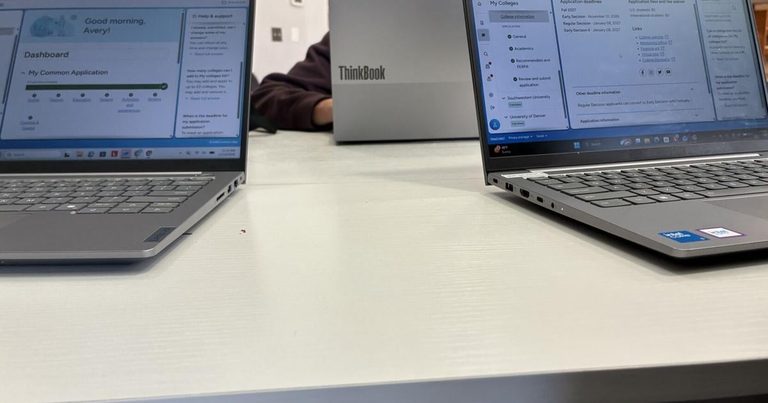
After the summer workshop, ROCA staff continue to assist students with travel logistics, recommendation letters, and exploring all available college options. Senior Avery Seyford, a ROCA participant from Moreno Valley High School, urged fellow rural students, “Just do it; the worst thing that can happen is it doesn’t work out. As rural students, we don’t always have a lot of opportunities, so take what we are given.”
Complementing ROCA’s efforts, the Taos‑based Bridges Project for Education has offered a similar summer program for first‑generation students since 1997. Executive Director Hannah Gunther described the organization’s “whatever‑it‑takes mindset.” Bridges also provides free counseling for any student applying to college, regardless of background or age. Senior Penelope Avitia of Moreno Valley Preparatory said Bridges helped her “find colleges I might be interested in, learn how to get financial aid, and what kinds of colleges were out there.” College freshman Zion Jane Flores, who worked with Bridges throughout high school, credited the program for her Davis Scholarship award, noting that “having something like Bridges, where they can help you with everything under the sun, is really helpful instead of having to figure it out by yourself.”
Statewide data underscore the need for such initiatives. The Lumi Foundation reports that only 19 percent of rural Americans hold a bachelor’s degree or higher, compared with a national average of 33 percent. Limited access to internships, clubs, sports, AP courses, and test‑preparation resources contributes to lower graduation rates in rural districts.
Both ROCA and Bridges travel to high schools across the state, including Red River’s schools, to present information and recruit participants. Interested students and parents can learn more by visiting rocanm.org and bridgesproject.org, where program dates and application details are posted.
These efforts aim to close the college‑access gap for Red River’s youth, offering a clearer path to higher education without the financial burden that often deters rural families.
Sources: taosnews.com