Zip’s Café has been serving burgers in Corryville since 1926, which makes it older than sliced bread — commercially speaking, by about two years. That detail would probably amuse Roy Ballman, who owned and operated the place for decades and whose family name is still woven into the bar’s mythology even among regulars who never met him. The current owners have kept nearly everything intact, and that faithfulness to the original is either stubborn or principled depending on who’s asking.
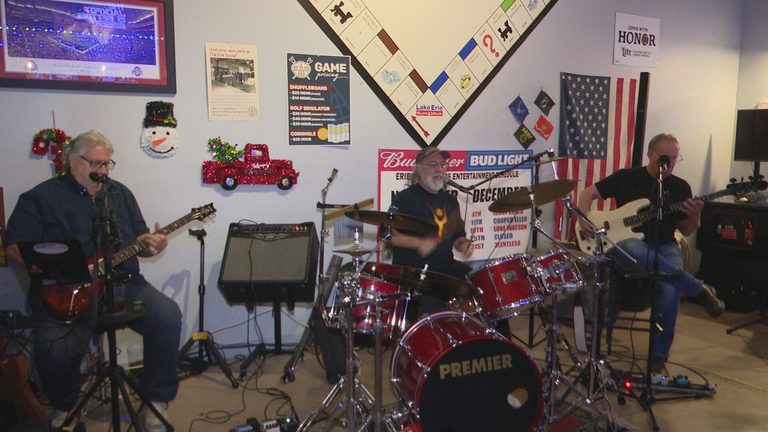
The building sits on McMillan Street, just east of the University of Cincinnati campus, in a neighborhood that has cycled through several identities without Zip’s ever changing much of anything. The bar is narrow and dim in the way old Cincinnati neighborhood bars tend to be — dark wood, neon beer signs, booths worn smooth, a jukebox that gets used. No television screens mounted in every corner. No QR code menu. The chalkboard above the bar lists what’s on draft, and that’s about as digital as things get.
What draws people, and what has always drawn people, is the burger. It’s a smashed patty on a standard bun, nothing architecturally ambitious about it, the kind of thing that arrives in a plastic basket with a handful of chips and costs somewhere in the eight-to-ten-dollar range depending on how you build it. The cheese is American. The beef is local. The whole operation is defiantly analog — you order at the bar, you wait, somebody calls your name or waves you over. The burger is the reason regulars drive in from Hyde Park, from Anderson Township, from places with newer and fancier options. Some loyalties don’t respond to market pressure.
Longtime regulars describe the place with a particular kind of affection — not nostalgic exactly, more like satisfied. A woman who went to UC in the late 1990s and now lives in Clifton says she brings her kids in every few months specifically so they know what a neighborhood bar is supposed to feel like. She orders the same thing every time. She doesn’t remember ever looking at a menu.
The staff tends to stay. That’s not an accident. Bars with high turnover develop a certain restlessness; Zip’s feels settled. The bartenders know regulars by name, know what they drink before they sit down, know when someone is celebrating and when someone just needs to be left alone. That social literacy is harder to maintain than it sounds, especially in a neighborhood that sees new people every August when the university brings in a fresh class.
Evening is the right time to go, ideally a weeknight when the stools are half-full and conversation is possible. Weekend nights skew younger and louder — not unpleasant, just different. The burger is available until the kitchen closes, which runs later than most bars in the neighborhood. Cash is preferred, though cards work. Parking on McMillan is street parking only, and the blocks around campus fill up fast after six.
What Zip’s has managed, across nearly a century of Corryville changing around it, is a kind of institutional calm. The bar doesn’t need to announce itself. The people who know about it keep coming back, and the people who discover it tend to become the people who keep coming back. Roy Ballman understood that a bar’s job is to be reliably itself. Zip’s still is.