Rowlett, Texas – A Dallas County judge ordered additional forensic testing in the 1996 murder case of two young boys, and the results have added a new twist to the long‑standing appeal of Darlie Routier, who is currently on death row. The advanced DNA analysis, performed at a California laboratory, confirmed the presence of Routier’s and her sons’ DNA on a sock recovered near the family home, but also revealed DNA from an unknown male.
What the new testing shows
The order for the supplemental testing came from Dallas County Judge Audra Riley in September 2021, using techniques that were not available when Routier was sentenced in 1997. The sock, found in an alley less than 100 yards from the Routier residence, contained the genetic material of Routier, her 5‑year‑old son Damon and his 6‑year‑old brother Devon, as well as DNA from a fourth, unidentified male.
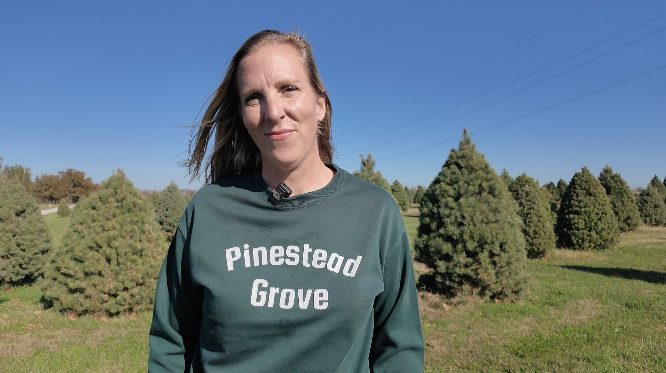
American Forensics Chief Forensic Pathologist Dr. Amy Gruszecki explained that the unknown sample can be entered into CODIS, the FBI’s national DNA database, which holds more than 20 million profiles from missing persons, convicted offenders and others. If no direct match appears, a separate portion of the sample may be used for genetic genealogy, a method that compares DNA to public genealogy databases to locate relatives and build a family tree.
Potential investigative paths
Dr. Gruszecki noted that law‑enforcement agencies, often with assistance from nonprofit groups such as the Innocence Project, could follow any genealogical leads to identify a possible suspect who may have been in the Rowlett area during the summer of 1996. She cautioned, however, that DNA alone does not prove guilt and that a thorough investigation would be required to confirm any connection.
The process of matching DNA to a family tree can take months or even years, depending on the quality of the sample and the availability of relatives who have submitted their DNA to public databases.
Legal implications
Routier’s defense team argues that the discovery of an unknown male DNA profile, combined with other claims of procedural errors, warrants a new trial. Even if the DNA never yields a match, the defense believes the evidence is sufficient to challenge the conviction and possibly overturn the death‑penalty sentence.
Routier’s prior appeals focused on trial‑record issues and did not involve DNA evidence. The current appeal marks the first time forensic science has been introduced as a central argument in her case.
Background of the case
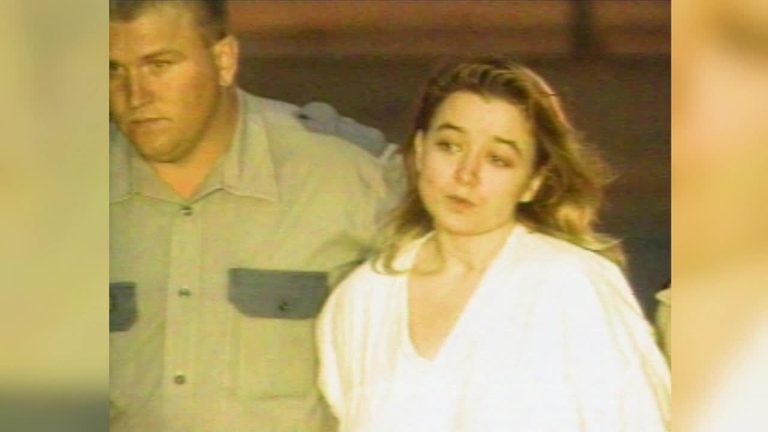
In 1996, Routier was convicted of capital murder for the deaths of her two sons. Prosecutors maintained that she killed the boys and then inflicted a self‑inflicted neck wound to stage an intruder attack. Routier has consistently maintained her innocence, asserting that an unknown assailant entered the home, murdered the children, and injured her before fleeing.
The case has remained a focal point of public interest in the Dallas‑Fort Worth area, with many residents following the legal developments closely.
Next steps
Routier’s attorneys will continue to press for the DNA sample to be compared against CODIS and, if necessary, pursued through genetic genealogy. The outcome of those efforts will determine whether the case proceeds to a new trial or remains unchanged.
As the investigation unfolds, local law‑enforcement officials and forensic experts stress the importance of patience and thoroughness, reminding the community that DNA evidence is a tool—not a definitive verdict—until fully examined.
Original reporting: Dallas – Ft. Worth Feed (HLL/CB) — read the source article.