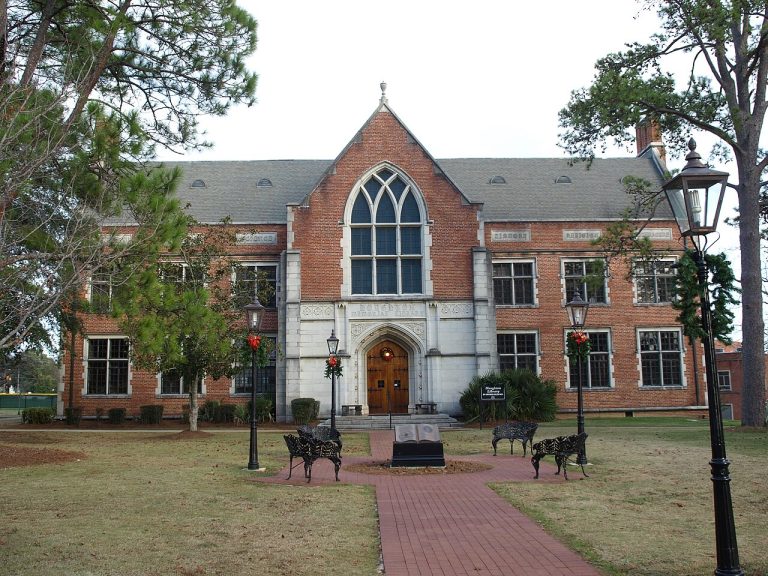
There is a moment, standing on the open grounds of Texas Tech’s campus on a clear West Texas afternoon, when the wind cuts across the Llano Estacado and you feel, genuinely, like the land is trying to tell you something. The Ranching Heritage Center Sculpture Trail gives that feeling a visual language — and once you walk it, you will not forget it.
Tucked along the western edge of Texas Tech University’s campus, the Sculpture Trail winds through the outdoor grounds surrounding the National Ranching Heritage Center, connecting a remarkable collection of large-scale bronzes and public art installations with the sprawling historic ranch structures that the Center is famous for. This is not a manicured garden path with cute plaques. This is something far more alive — an open-air gallery set against the endless blue sky of the South Plains, where art and the raw history of the American ranching West exist in the same breath.
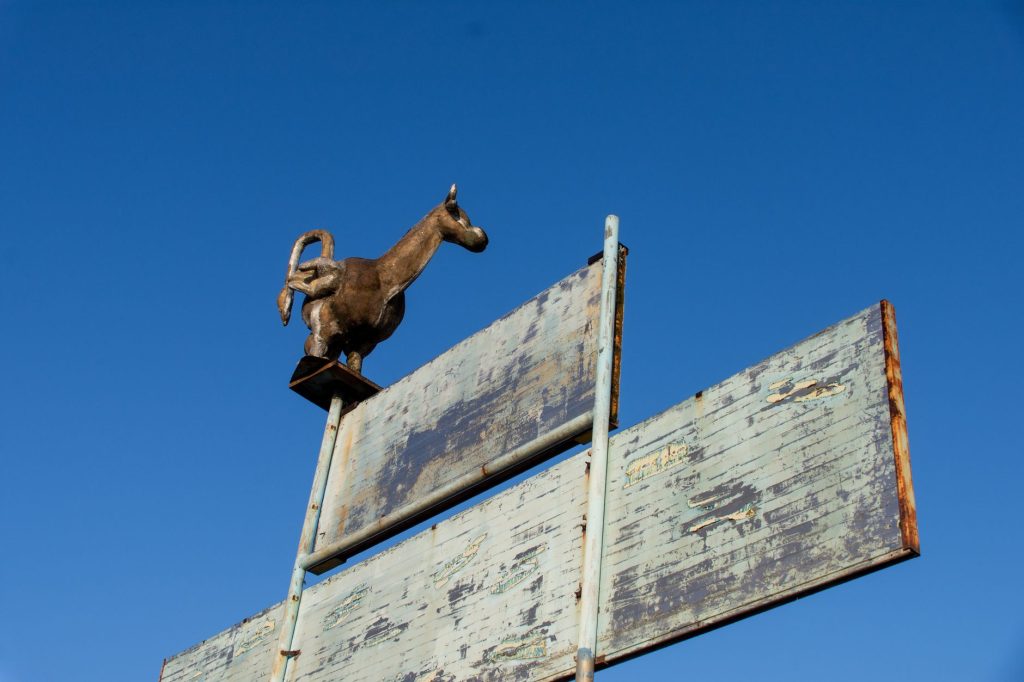
The sculptures themselves are extraordinary. You will come face to face with powerful depictions of working cowboys, longhorn cattle, and the kind of quiet, muscular figures that remind you this land was shaped by people who did not have easy lives. The bronzes catch the afternoon light in a way that makes them feel animated, as if they might shift their weight or turn their heads if you looked away. Several pieces are monumental in scale — the kind that stop you mid-stride and make you reach for your phone, not because it is habit, but because you actually want to remember exactly what you are seeing.
The trail connects naturally to the Ranching Heritage Center’s outdoor historic district, where more than forty authentic structures — windmills, bunkhouses, barns, a one-room schoolhouse, and an early twentieth-century ranch headquarters — have been relocated from across Texas and preserved with extraordinary care. You can walk between them freely, peer inside many of them, and feel the texture of a way of life that shaped this entire region. Children love it. Adults find it quietly moving.
What makes the Sculpture Trail especially appealing is that it is entirely free and open to the public year-round. No ticket required, no reservation needed. Come on a weekday morning when the campus is humming and the light is soft, or on a Saturday afternoon when you have time to linger. The grounds are well-maintained, the paths are accessible, and there are shaded benches where you can sit and let the place settle around you.
Parking is straightforward along Fourth Street and Indiana Avenue, and the Center’s indoor museum — which does have a modest admission fee and is absolutely worth it — is right there if you want to extend your visit into the exhibits on ranching tools, vaquero culture, and the cattle drives that built this state.
Lubbock is a city that rewards the curious traveler who looks past the obvious attractions. The Sculpture Trail at the Ranching Heritage Center is the kind of place that locals sometimes forget to mention because it is simply part of the landscape for them — but for a visitor, it is a revelation. Come for the art. Stay for the history. Leave with a genuine sense of what the High Plains actually mean.