The Rockwall Auto Museum charges no admission. That fact alone sets it apart from almost every serious collection of its kind in Texas.
The man behind it, Ron Sturgeon, spent decades in the auto salvage business — buying wrecked cars, parting them out, building a small empire — before turning his attention to the vehicles that most collectors overlook: working-class machines, honest drivers, cars that hauled kids to school and groceries home before getting parked and forgotten. His collection isn’t built around pristine Ferraris or numbers-matching muscle cars. It’s built around the idea that ordinary cars have a story worth telling.
Sturgeon opened the museum on the east side of Rockwall, tucked into an industrial stretch near I-30, where the land is flat and the buildings are low and practical. The space itself reflects that aesthetic — no velvet ropes, no theatrical lighting, no gift shop pushing branded keychains. What’s here are the cars, arranged in rows with handwritten or simply printed cards explaining what each one is and where it came from.
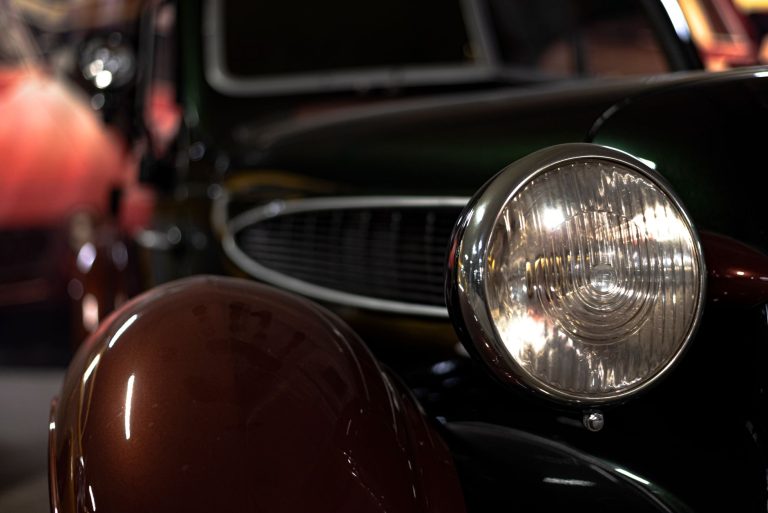
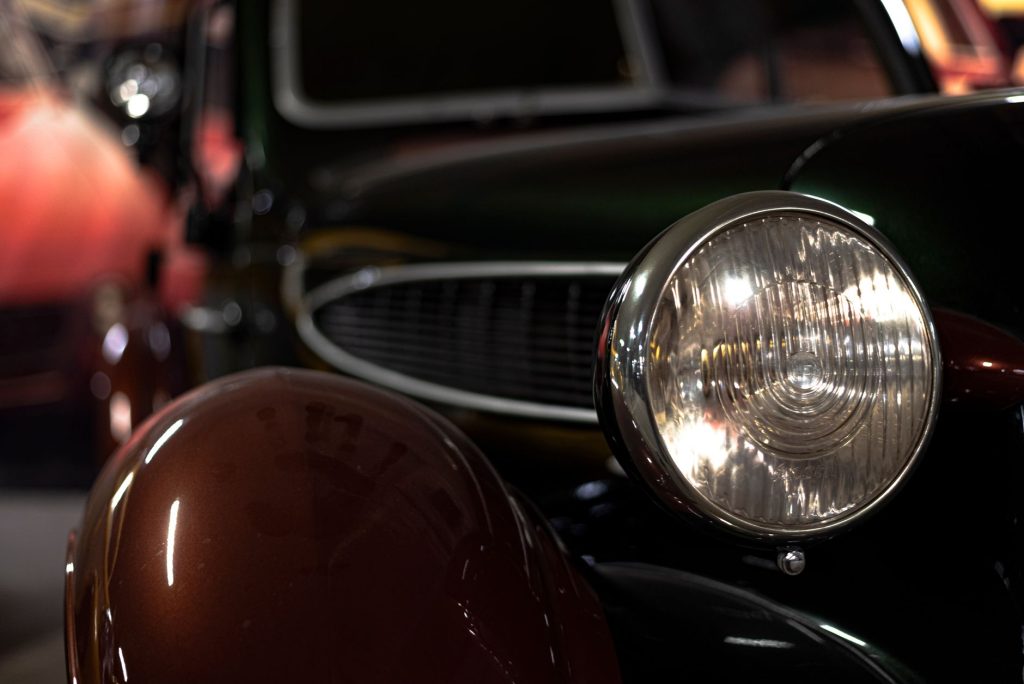
The collection skews heavily toward American iron from the 1940s through the 1970s, with particular depth in models that were popular but rarely survived. Station wagons. Trucks with original beds still intact. Sedans in colors that feel impossibly optimistic now — coral, aquamarine, two-tone cream and burgundy. A lot of them run. Some have been lightly restored; others are survivors with original paint worn down to a patina that no restoration shop could convincingly fake.
Longtime Rockwall residents who’ve stopped in describe the experience as unexpectedly affecting. One woman who grew up in East Texas said she stood in front of a 1962 Ford Galaxie for ten minutes because her grandfather had driven one almost identical to it, right down to the color. That’s the kind of reaction Sturgeon seems to have designed the place to produce, even if he’d probably frame it more plainly than that.
He’s often there himself, particularly on weekday mornings, moving through the collection the way a person moves through a room they’ve lived in for years — comfortable, proprietary, quick to notice what’s new or what’s shifted. Visitors who catch him are usually treated to an impromptu story about how a particular car came in, what shape it was in, what it took to make it presentable. He doesn’t perform enthusiasm; it’s just present.
Because admission is free, the museum draws a mix of people who made a deliberate trip and people who wandered in on a Saturday with low expectations. Both groups tend to stay longer than they planned. There’s no café, no programming schedule, no event calendar to track. The hours are limited — worth checking before making a drive — and the museum is closed on some weekdays.
What Sturgeon has built is rare not because the cars are rare, though some are, but because the perspective is. Most automotive collections celebrate automotive achievement. This one is more interested in automotive memory — the machinery of everyday life that most people lived alongside without thinking much about it, until it’s gone.