HUNTSVILLE, Ala. – A recent federal inflation report shows consumer prices rising 3.7% over the past year, a jump that is hitting working‑class families in North Alabama hard. Gasoline prices alone surged more than 9% in September, while food costs are up 2.5% compared with a year ago. At the same time, inflation‑adjusted weekly earnings have slipped, meaning paychecks are not stretching as far as they once did.
Local families feel the pinch
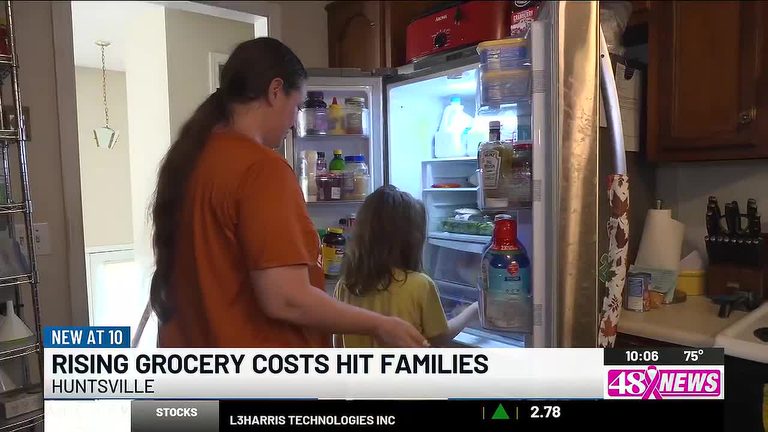
For 8‑year‑old James Schwab, the rising cost of food is more than a numbers game. His mother, Ashley Schwab, says James lives with Avoidant Restrictive Food Intake Disorder, which limits the foods he can safely eat. “He has a very specific set of safe foods. And those safe foods, I can’t just, you know, substitute for what’s cheaper. It doesn’t work that way,” she explained.
Cheese, a staple in James’s diet, now costs more than double what it did a year ago. “I was looking back and an order for two weeks was $170. And now we’re spending $250 to $300,” Ashley said, noting that the earlier order was from 2024. The rapid increase in grocery bills is a reality many Huntsville residents share.
Fuel costs ripple through the local economy
University of Alabama in Huntsville economics professor Dr. Wafa Orman warned that rising fuel prices affect more than just drivers at the pump. “Without fuel, you cannot get your food from farm to table. It gets here from all over the world and especially all over the country. So, it’s taking an increasingly large bite out of your budget, leaving you less to spend on everything else,” she said.
Higher transportation costs raise the price of everything that must be moved – from fresh produce to building materials – compounding the strain on household budgets.
Working‑class Alabamians voice concern
Ashley Schwab summed up the broader sentiment: “It’s really hard for working‑class Americans right now. It’s just really hard to make it by. And for anyone watching, you’re not alone. We all are feeling it desperately.”
Local officials have not yet announced specific relief measures, but the inflation data underscores the importance of policies that protect families from volatile energy and food costs. Community groups are urging state representatives to consider targeted tax relief and support for low‑income households.
What residents can do
- Track weekly grocery spending and compare prices across local stores.
- Consider car‑pooling or using public transit to reduce fuel expenses.
- Explore assistance programs offered by local churches and nonprofits that provide food vouchers or utility assistance.
- Stay informed about any state‑level tax credits or rebates that may offset higher living costs.
As inflation pressures continue, Huntsville families are looking for practical ways to protect their budgets while awaiting broader economic solutions.
Original reporting: WAFF 48 Huntsville (news) — read the source article.