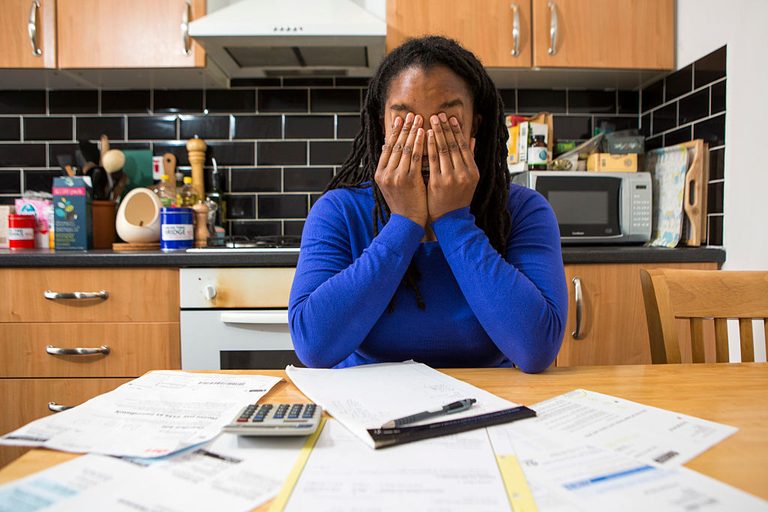
Voters in the Washington, D.C., suburbs and the broader Mid‑Atlantic are telling candidates that everyday expenses are now the decisive issue in upcoming races. Recent surveys from university institutes and regional pollsters reveal overwhelming concern about inflation, mortgage rates and utility bills.
Maryland’s cost‑of‑living anxiety
According to the UMBC Institute of Politics poll, 81% of likely Maryland voters rate the state’s economic conditions as poor or fair, and a striking 94% say rising costs of everyday goods and services are their primary worry. “The widespread economic concerns cross‑cut everything—race, region, gender, age—all of those things,” said Dr. Mileah Kromer, director of the institute.
Virginia feels the pressure
The VCU Wilder School Commonwealth Poll found that 30% of Virginia respondents cite inflation and daily expenses as the top issue shaping their vote. In the competitive Virginia 7th Congressional District, where Democrat Eugene Vindman faces Republican Douglas Ollivant, cost‑of‑living concerns are a central theme of campaign messaging, according to Ballotpedia and the Cook Political Report.
Pennsylvania’s suburban squeeze
Even though Pennsylvania’s overall cost‑of‑living index sits just below the national baseline, suburban families in the state’s collar counties report acute pressure from higher mortgage rates, grocery prices and utility bills. The Franklin & Marshall College Poll consistently ranks inflation, housing costs and utility bills as the single most important issue for Pennsylvanians, cutting across party lines.
Dr. Benjamin Dworkin of the Rowan Institute for Public Policy and Citizenship noted, “I think the public is largely cynical. You get candidates saying, ‘I’m going to cut your taxes… 25%, 20%.’ Everybody goes, ‘yeah, yeah.’ They don’t necessarily believe it.”
New Jersey’s “Jersey pragmatism”
New Jersey, which carries the nation’s highest average property‑tax burden, shows a distinct voter mindset. Dr. Ashley Koning of Rutgers University’s Eagleton Center for Public Interest Polling described a pattern she calls “Jersey pragmatism”: voters support progressive social policies only when they do not increase their tax burden. This attitude helped shape the 2025 gubernatorial race, where Democrat Mikie Sherrill emphasized everyday affordability.
In the state’s 7th Congressional District, Republican Rep. Tom Kean Jr. faces Democrat Rebecca Bennett in a race that analysts say will be decided by how each candidate addresses the bottom‑line concerns of suburban voters.
Local stories echo the regional trend
On Long Island, residents report cutting back on heating, transportation and discretionary spending as crude‑oil price spikes drive up home‑heating costs. Similar anecdotes of reduced spending on personal care and clothing appear throughout the region, underscoring the personal impact of the broader economic squeeze.
Across the Mid‑Atlantic, the consensus is clear: voters are prioritizing policies that can ease the financial strain on families. Candidates who can credibly address housing affordability, utility costs and grocery price inflation are likely to gain traction as the 2026 midterm elections approach.
Original reporting: Arlington County | FOX 5 DC — read the source article.