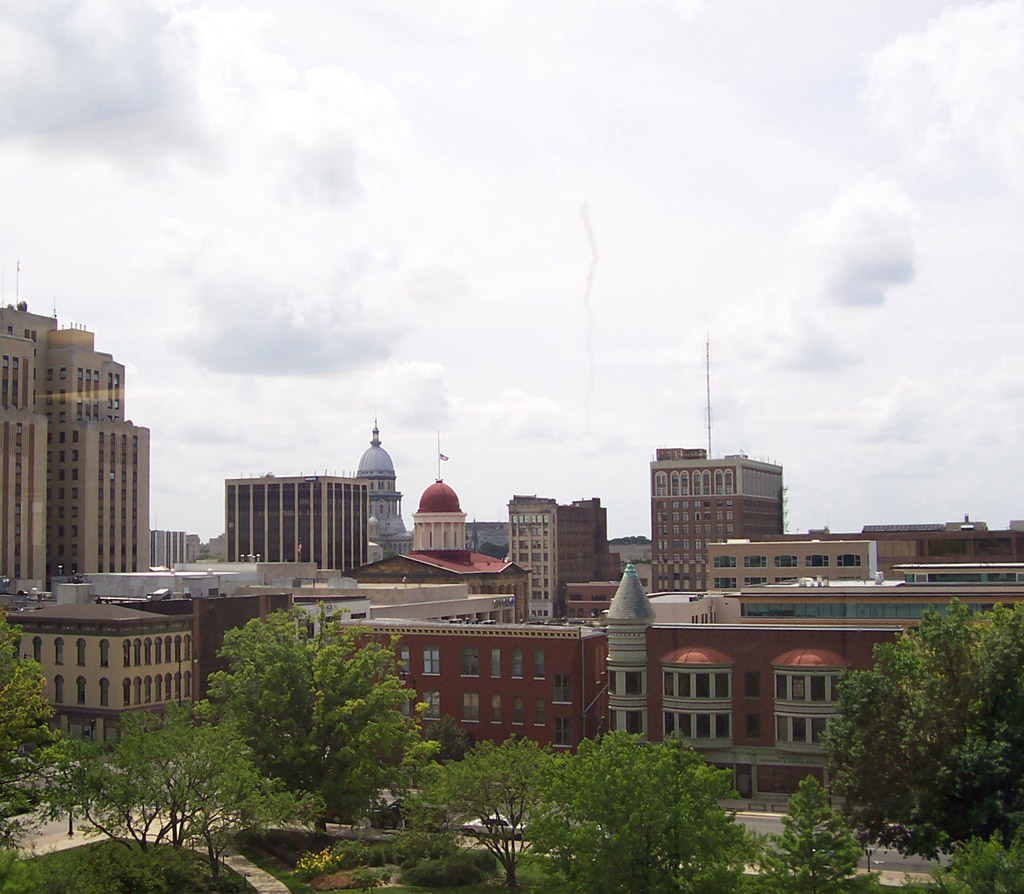
There is a particular feeling you get when you stand on a stretch of original concrete that American families drove across during the Dust Bowl, that soldiers traveled heading home from war, that dreamers followed west chasing something they couldn’t quite name. In Springfield, Illinois, that feeling is available to you on a Tuesday afternoon, and you don’t need a vintage Cadillac to find it.
Springfield sits at the heart of the Illinois Route 66 corridor, and the city has done something genuinely thoughtful with that inheritance. Rather than reducing it to a roadside novelty, local historians, preservationists, and the Springfield Convention and Visitors Bureau have assembled a walkable and drivable network of markers, murals, original alignments, and interpretive stops that let you experience the Mother Road as a living document of American life, not a theme park replica of one.
Start your morning at the Illinois Route 66 Visitors Center, tucked inside historic Union Station on Monroe Street — a Beaux-Arts beauty that has been watching travelers come and go since 1898. The center is staffed by people who genuinely know this road, and they’ll set you up with maps, passport books for the national Route 66 stamp program, and honest recommendations about what to prioritize based on how much time you have. Grab your passport stamp here first.
From there, follow the original brick alignment south through the downtown corridor. The pavement itself shifts underfoot as you transition between eras — resurfaced stretches giving way to exposed sections of the 1926 original. Keep your eyes up, too, because the murals painted on building facades along this stretch tell the road’s story in vivid color: diners, motor courts, filling stations, and the open plains beyond.
One of the most rewarding stops is the Route 66 Shield mural near the old Leland Hotel site, a massive piece of street art that has become one of Springfield’s most photographed backdrops — and deservedly so. Nearby, interpretive plaques offer context about the road’s role in the Great Migration of African Americans northward and the way Black travelers navigated the road’s complicated welcome, a history that the Springfield sites handle with care and seriousness.
Plan to spend the better part of a day doing this properly. The full Springfield Route 66 loop, including a swing out to the Williamsville and Elkhart alignments just north of the city, runs roughly two hours of driving time with stops — but you’ll want more time than that. Eat along the route, pull over when something catches your eye, and let the rhythm of the road do its work.
What makes Springfield’s Route 66 experience different from other stops along the 2,400-mile corridor is the density of authentic material packed into a compact area. You are not driving between a gas station turned gift shop and a neon sign in the middle of a parking lot. You are moving through a city that takes its place in this national story seriously, and that seriousness shows in every interpretive panel and preserved mile marker.
The best time to visit is late spring through early fall, when the Route 66 Association of Illinois hosts regular driving events, car shows, and community festivals that bring the road back to life in a way no museum exhibit can replicate. But any season rewards a visit — there is something quietly moving about walking an original alignment in the cold November light, the whole corridor yours alone.
Route 66 was decommissioned in 1985, but in Springfield it has never really gone anywhere. Come find out why.